Let’s discuss your container requirements
01708 225350
Call Us
sale@modularmarbles.com
Email Us

What Is the Best PU Foam Sealant from China?

Choosing the best PU foam sealant from China requires more than comparing prices or reading supplier claims. Performance depends on the project, substrate, climate, and application method. A product suitable for window installation may fail in roofing gaps or insulated panels. The right decision begins with clearly defined requirements.

Experienced buyers usually examine expansion rate, curing time, adhesion, density, and moisture resistance. They also check whether the foam remains stable after temperature changes. A professional supplier should provide technical data sheets, safety information, batch details, and practical application guidance. Test samples matter. Apply the foam to concrete, metal, wood, or PVC before placing a large order. Watch its rise, texture, cutting time, and final bond.

Certifications can support trust, but they do not replace independent evaluation. Buyers should verify factory capabilities, quality-control procedures, production consistency, and export experience. Factory videos are useful, yet they are not proof of performance. Ask for recent test reports and inspect the actual packaging. Small details matter, including valve quality and straw fit.

There is no universal “best” product. That conclusion would be too simple. A reliable PU foam sealant should match the intended use and perform consistently in real conditions. Supplier communication also reveals professionalism. Do they answer technical questions clearly? Do they admit limitations? Sometimes, the cheapest option appears attractive, but uneven expansion can create costly rework. A careful comparison of samples, documentation, and after-sales support offers a more dependable path to selecting a Chinese manufacturer.
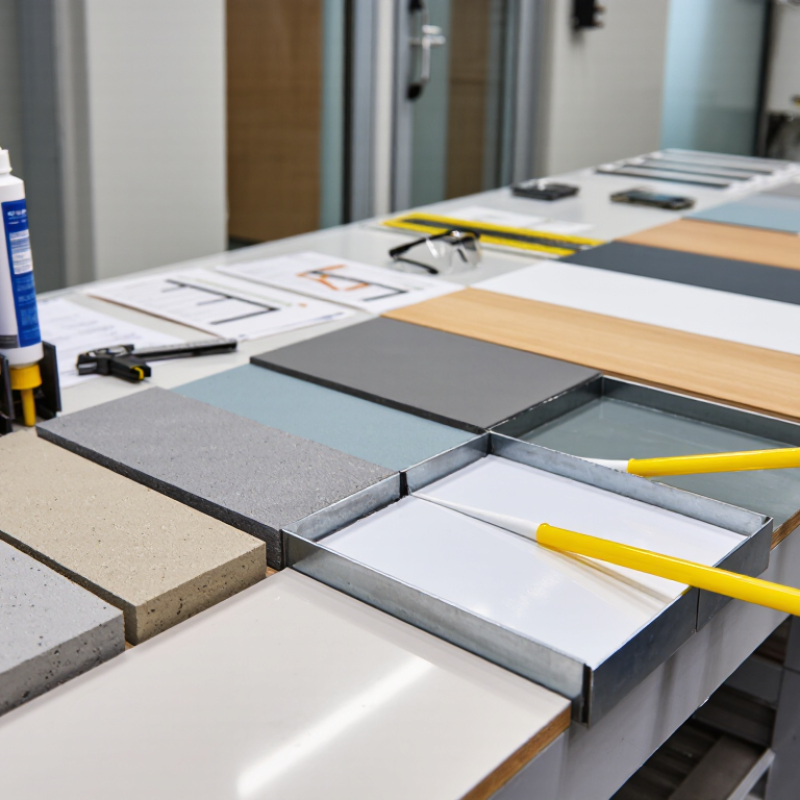
What Is the Best PU Foam Sealant from China?

What Is PU Foam Sealant and How Is It Used?

PU foam sealant is a moisture-curing polyurethane material supplied in pressurized cans. It expands after application and fills gaps around windows, doors, pipes, and wall joints. It helps reduce drafts, dust, moisture entry, and minor sound transmission. However, it is not a replacement for structural mortar, screws, or professional waterproofing systems.

Practical installers usually clean the joint, lightly mist it with water, and shake the can thoroughly. The foam should fill only about one-third of the cavity because expansion continues during curing. A narrow nozzle improves control around frames and service penetrations. After curing, excess foam can be trimmed with a knife and covered with a suitable sealant or protective finish. Gloves, eye protection, and good ventilation remain important.

The best PU foam sealant from China depends on the project, not only the price. Check adhesion, expansion control, curing time, yield, dimensional stability, and temperature performance. Ask for current test reports, batch traceability, and clear application instructions. Fire-rated products require special verification for the intended building system. Even experienced users can overfill a joint or ignore surface moisture. I have found that small application mistakes often affect performance more than minor differences in canister size.

Which Properties Define the Best PU Foam Sealant?

The best PU foam sealant is not simply the product that expands most. In field applications, controlled expansion, reliable adhesion, and stable curing matter more. It should bond firmly to concrete, brick, wood, metal, and common construction boards. A clean, slightly damp surface often improves curing. Standing water can weaken the result. That small distinction is easy to miss.

A useful foam has a predictable cell structure and balanced density. Closed cells help resist moisture and improve thermal insulation. Fine open cells may support better acoustic performance. The foam should fill irregular joints without excessive pressure. Too much expansion may bend a window frame. Too little may leave hidden voids. Neither problem appears immediately. I have seen installers judge quality only by wet volume, which can be misleading. Experienced users inspect the cured foam after trimming. Low shrinkage and strong dimensional stability are essential around doors, windows, pipes, and roof penetrations. No foam performs perfectly in every climate.

When sourcing PU foam sealant from China, review adhesion, yield, density, curing time, temperature range, and moisture-resistance data. Ask for consistent technical documents and production-batch records. Low odor and reduced emissions are valuable indoors, but ventilation remains necessary. Gun-grade foam usually provides finer control than straw applicators. I would also test several batches, because one favorable sample proves very little. Joint movement and installer control deserve attention, too.

How Does Chinese PU Foam Sealant Compare by Application?

What Is the Best PU Foam Sealant from China?

Chinese PU foam sealants perform differently across applications, so “best” depends on the job. For door and window installation, low-expansion foam is usually safer. It reduces frame distortion and supports cleaner finishing. According to a 2024 Grand View Research assessment, the global construction sealants market was valued at about USD 9.65 billion in 2023. This growth reflects stronger demand for energy-efficient building envelopes.

For wall gaps and pipe penetrations, higher expansion can improve filling efficiency. However, uncontrolled expansion may create pressure and waste. In insulation work, closed-cell foam generally offers better moisture resistance and thermal performance. The U.S. Department of Energy notes that air sealing can significantly reduce building energy losses, but foam alone cannot correct poor joint design. That detail is often missed.

Roofing and exterior applications need UV-resistant, weather-stable formulations. Interior filling work may prioritize low odor and faster curing. EN 17333 testing methods help evaluate foam yield, dimensional stability, and adhesion. Still, laboratory results do not fully predict site performance. Temperature, humidity, substrate cleanliness, and nozzle control matter greatly. A cheaper foam can become expensive after trimming, rework, or leakage problems. Sample testing remains essential, even when technical data looks impressive.

What Is the Best PU Foam Sealant from China? — How Does Chinese PU Foam Sealant Compare by Application?

Application-based comparison of one-component moisture-curing Polyurethane foam sealants commonly manufactured in China. Figures are typical technical ranges for commercially available formulations; the product technical data sheet should be checked before specification.

Application Recommended Foam Type Typical Density After Curing Typical Yield per 750 ml Can Approx. Tack-Free Time Approx. Cuttable Time Typical Application Temperature Typical Cured Temperature Range Key Performance Requirement Suitability of Chinese PU Foam
Window and Door Frame Installation Low-expansion or controlled-expansion gun-grade foam Approximately 15–30 kg/m³ Approximately 35–45 L Approximately 6–12 minutes Approximately 30–60 minutes About +5°C to +35°C for standard grades Approximately −40°C to +90°C Low post-expansion, good adhesion to masonry and many common frame materials, and dimensional stability Best fit when precise expansion control and low-pressure curing are required
Filling Gaps Around Pipes and Service Penetrations Standard or low-expansion straw or gun-grade foam Approximately 12–30 kg/m³ Approximately 35–50 L Approximately 5–15 minutes Approximately 30–90 minutes About +5°C to +35°C for standard grades Approximately −40°C to +90°C Good gap filling, adhesion to concrete and masonry, and resistance to vibration after curing Suitable for general sealing; use a tested fire-rated system where regulations require fire resistance
Thermal Insulation Around Building Openings Low-expansion insulation foam with fine cell structure Approximately 15–30 kg/m³ Approximately 35–45 L Approximately 6–12 minutes Approximately 30–60 minutes About +5°C to +35°C for standard grades Approximately −40°C to +90°C Low thermal conductivity, continuous insulation, low shrinkage, and resistance to air leakage Often a strong value option when verified thermal conductivity and dimensional-stability data are available
Roofing and Exterior Construction Joints Low-expansion, weather-resistant foam used with an external protective seal Approximately 15–35 kg/m³ Approximately 30–45 L Approximately 8–15 minutes Approximately 45–90 minutes About +5°C to +35°C for standard grades Approximately −40°C to +90°C Adhesion, low water absorption, dimensional stability, and protection from ultraviolet exposure Suitable only when the cured foam is protected from direct sunlight; cured PU foam should not be left permanently exposed to UV
Cold-Weather Construction Winter-grade one-component foam formulated for low temperatures Approximately 15–35 kg/m³ Approximately 25–45 L Approximately 8–20 minutes Approximately 45–120 minutes Some winter grades can be applied at approximately −10°C to +30°C Approximately −40°C to +90°C Reliable curing at low substrate temperatures and consistent yield in cold conditions A practical option if the can is conditioned correctly and the stated low-temperature rating is independently verified
Interior Sound and Air Sealing Low-expansion foam with a relatively uniform cell structure Approximately 12–30 kg/m³ Approximately 35–50 L Approximately 5–15 minutes Approximately 30–90 minutes About +5°C to +35°C for standard grades Approximately −40°C to +90°C Continuous sealing around irregular gaps, low shrinkage, and good adhesion to dry substrates Well suited to non-structural air and sound sealing; it is not a substitute for certified acoustic assemblies
Insulated Panel and HVAC Joint Sealing Low-expansion foam compatible with metal, coated panels, and insulation materials Approximately 15–35 kg/m³ Approximately 30–45 L Approximately 6–15 minutes Approximately 30–90 minutes About +5°C to +35°C for standard grades Approximately −40°C to +90°C Low expansion, adhesion to coated surfaces, low water absorption, and stable insulation performance Competitive when substrate compatibility and moisture-resistance test data are provided
Fire-Rated Building Assemblies Specially tested fire-rated PU foam system Varies by formulation; commonly approximately 15–35 kg/m³ Varies by formulation and test configuration Typically approximately 6–15 minutes Typically approximately 30–90 minutes Must follow the product technical data sheet Depends on the tested assembly, not only the foam Verified fire-performance classification, tested joint design, substrate compatibility, and installation controls Do not select by general foam performance alone; require valid third-party fire-test documentation for the exact application
DIY Filling and General Maintenance Straw-grade standard-expansion foam Approximately 12–30 kg/m³ Approximately 30–50 L Approximately 5–15 minutes Approximately 30–90 minutes About +5°C to +35°C for standard grades Approximately −40°C to +90°C Simple application, predictable expansion, adequate adhesion, and clear curing instructions Usually the most economical choice for non-critical indoor gaps and general repairs

Selection note: “Best” depends on the application rather than country of origin alone. Before purchase, compare the technical data sheet, expansion behavior, yield test method, curing conditions, substrate compatibility, VOC information, and any required EN, ASTM, or project-specific certification. PU foam is generally moisture-curing, and the cured material should be protected from prolonged ultraviolet exposure.

What Quality and Safety Standards Should Buyers Check?

When sourcing PU foam sealant from China, buyers should verify performance and safety, not only price or expansion claims. Ask for a current technical data sheet, safety data sheet, and batch-specific certificate of analysis. The technical sheet should state density, free-rise expansion, yield, tack-free time, curing time, adhesion, and dimensional stability. Test these values under your actual temperature and humidity. Small differences matter. A can that expands aggressively may still shrink later or leave weak edges.

For quality control, check the factory’s ISO 9001 system, production traceability, incoming-material records, and calibration records. Request independent laboratory reports for relevant destination-market requirements, such as GHS labeling, REACH, RoHS, VOC limits, or fire-performance testing where applicable. Do not treat one certificate as universal approval. Requirements differ by country and application. For construction use, confirm whether EN or ASTM test methods match your wall, window, insulation, or fire-stop project. Fire-rated needs evidence. It requires a tested assembly, not a general claim.

Safety checks deserve close attention. The SDS should identify isocyanates, propellants, flammability risks, ventilation needs, storage temperatures, and disposal instructions. Inspect warning labels, valve function, can integrity, and lot numbers during incoming inspection. Keep retain samples from every shipment. In practical purchasing work, repeat testing after storage is valuable because foam may change after heat exposure. I would also challenge my own inspection plan. One successful sample cannot prove stable production. Compare several batches and record failures openly. That evidence is more reliable than polished sales language.

How to read this chart: The bars show the number of practical evidence items buyers should verify in each area when evaluating PU foam sealant from China. These are procurement checkpoints, not certification scores. Applicable requirements may vary by country, building use, fire classification, and indoor-air regulations.
Technical performance: density, yield, curing behavior, and adhesion. Chemical safety: SDS, ingredient restrictions, and safe-use controls. Fire performance: test report and classification. Emissions: VOC testing, indoor-air declarations, and applicable limits. Production quality: batch certificate, lot traceability, and quality-system evidence. Packaging: expiry date, storage conditions, and transport requirements.

How Can You Select a Reliable Chinese PU Foam Supplier?

Selecting a reliable Chinese PU foam supplier requires more than comparing prices. Start with product evidence, not polished catalog claims. Ask for technical data sheets, safety documents, batch test reports, and storage guidance. Check density, expansion ratio, curing time, adhesion, cell structure, and application temperature. A sample should be tested on actual surfaces, including concrete, wood, and window frames. Do not judge quality from one can. Test several production batches. Samples can mislead.

A dependable supplier explains its quality control process clearly. Look for incoming raw-material checks, filling controls, leakage tests, and batch traceability. Factory records should connect each carton to a production date and inspection result. Request recent compliance documents for your destination market, then verify their scope and validity. A certificate without clear coverage proves little. Records matter. This is where many buyers rush.

Communication after payment matters as much as the initial quotation. Ask how the team handles damaged cans, inconsistent foam, delayed shipments, and technical questions. A reliable exporter gives specific answers, not vague promises. Review packaging, pallet protection, container loading, and temperature controls during transport. In practical sourcing, a low price can hide weak valves or unstable expansion. I would rather compare total usable output than cost per can. That calculation is not always comfortable. Suppliers should also accept reasonable factory audits or live production checks. Keep written specifications and approval samples before placing a large order.

We are proud to support

Registered Company Name: Upminster Containers Limited. Registered Address: Mardyke Works, St Mary's Lane, Upminster, Essex RM14 3PA. Registered Company Number: 00940382
Developed & Maintained By Space Rocket Digital.
chevron-down