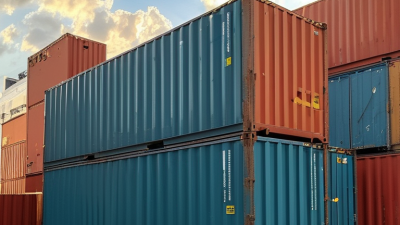
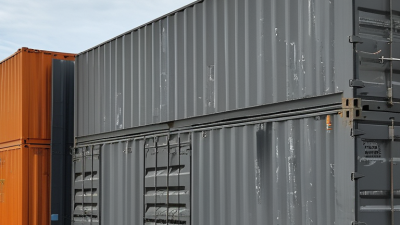
Choosing shipping container storage units in 2026 requires more than comparing rental prices. A suitable unit should match your available space, storage period, weather exposure, and access needs. A 20-foot container may fit a narrow driveway, while a 40-foot model offers greater capacity but needs careful delivery planning. Measure twice.
Brian M. Sondey, former president and chief executive of Triton International, described containers as “the workhorses of global trade.” That practical observation also applies to storage. These steel units must handle movement, changing temperatures, moisture, and repeated door use. However, not every container performs equally well. Age, floor condition, roof damage, ventilation, and previous repairs can affect reliability. A fresh paint job may hide problems.
This guide explains how to evaluate shipping container storage units for homes, farms, businesses, and construction sites. It considers new versus used units, standard and high-cube heights, locking systems, delivery access, insulation, and long-term maintenance. A reputable supplier should provide clear dimensions, photos, condition details, and delivery terms. Ask uncomfortable questions.
Your local climate matters. Humid regions may require better ventilation, while cold areas can create condensation inside the container. Ground preparation matters too. Uneven soil can twist the frame and make doors difficult to close. I once underestimated access width on a storage project; the unit arrived, but placement became unnecessarily complicated. That mistake is easy to repeat. Careful planning remains the strongest protection against avoidable costs in 2026.
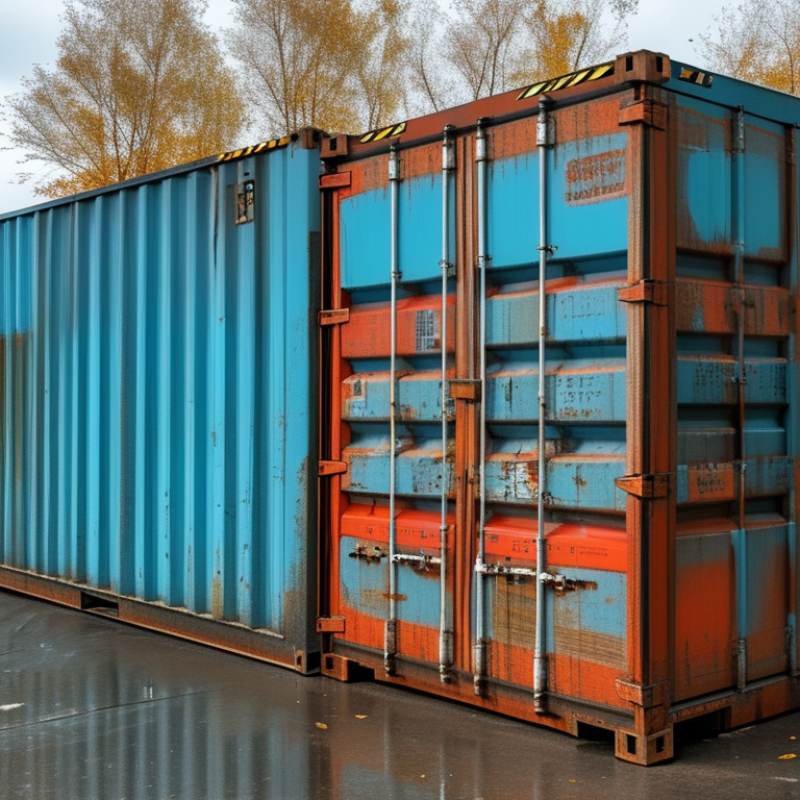
Shipping container storage units are durable steel boxes designed to hold equipment, materials, furniture, and inventory. Most units use reinforced walls, sealed doors, and locking bars for basic protection. They are simple. A delivery vehicle places the unit on firm, level ground. Users load items through the wide cargo doors, then secure the doors with a suitable lock.
The container protects contents from rain, dust, and sunlight, but it is not automatically climate-controlled. Temperature changes can create condensation inside, especially when warm air meets a cold steel wall. Ventilation helps, but it cannot solve every moisture problem. In practical site checks, I would inspect the roof, door seals, floor condition, and corner posts before renting. A small defect can become expensive after heavy rain. Drainage also matters. Water should flow away from the unit, not collect beneath it.
Tips: Choose a unit with enough space for safe access. Leave a small air gap around stored items. Use pallets for boxes and cover sensitive materials with breathable sheets. Check the lock area regularly. Steel is strong, but it is not perfect. In 2026, compare delivery access, ventilation, internal height, security features, and rental terms before choosing. A cheaper unit may require more preparation, repairs, or moisture control later.

Choosing a shipping container storage unit starts with volume, access, and the items’ shape.
ISO 668:2020 defines common container dimensions, but internal measurements vary by manufacturer.
20-foot unit
About 33 cubic metres
40-foot unit
Roughly 67 cubic metres
40-foot high-cube model
Approximately 76 cubic metres
Size matters more than people expect.
For household furniture, seasonal equipment, or boxed inventory, a 20-foot container often provides better control. It leaves less unused floor space and usually costs less to move.
A 40-foot unit suits palletised stock, long equipment, or business records.
Measure the tallest item before choosing. High-cube models add around 30 centimetres of internal height, which can prevent awkward stacking.
However, extra volume may encourage unsafe piles and poor aisle access.
Industry scale also supports careful planning.
UNCTAD’s Review of Maritime Transport 2024 reported approximately 858 million TEUs of global container-port throughput in 2023. That figure reflects a mature, standardised system, not identical storage conditions.
Check door width, floor loading, ventilation, and moisture protection locally.
A dry container is not automatically climate-controlled. Desiccant packs help, but they cannot replace inspection.
In my experience, people often select the largest unit too quickly. I have also seen smaller units become inefficient when narrow walkways were ignored. Leave access space around frequently used boxes, and record the actual dimensions before signing the rental agreement.
Location should be judged beyond distance. The 2023 Self Storage Association Demand Study reported 16.7 million U.S. renter households used self-storage. That demand makes convenience valuable, but crowded roads can slow collections. Check truck turning space, road width, lighting, and nearby drainage. FEMA’s National Risk Index can reveal flood, wildfire, and severe-weather exposure. A site may look dry in summer. That proves little.
Security begins with visibility. Choose a yard with controlled entry, recorded surveillance, perimeter fencing, and clear lighting. Ask how access logs are reviewed, not only whether cameras exist. The U.S. Department of Justice identifies natural surveillance and controlled access as practical crime-prevention measures. No system is perfect. Inspect blind corners yourself. A broken lamp can matter more than a polished security promise.
Access should match your real use. Confirm gate hours, access-code procedures, loading zones, and emergency arrangements. For container condition, inspect door seals, locking bars, roof dents, floor damage, and interior odors. ISO 668 specifies standard container dimensions, while the International Convention for Safe Containers establishes safety requirements for approved containers. Site quality matters too: level concrete, stable bearing surfaces, and positive drainage reduce door binding and standing water. The U.S. Geological Survey’s flood-hazard resources can support local checks, though maps may not show every drainage problem. Take photographs after rain. That small step often changes the decision.
How to Choose Shipping Container Storage Units in 2026?
Material choice affects service life, security, and maintenance. Weathering steel suits outdoor storage because it resists rain and wind damage. However, surface rust still needs inspection. Check corner posts, roof seams, door frames, and the underside for corrosion or distortion. A sound unit should close evenly without excessive force. Marine-grade plywood flooring is practical, but damaged boards may hold moisture and odors.
Features should match your site and stored items. Choose lock protection, working door seals, and dependable ventilation for general storage. Air vents placed high and low can reduce condensation. For temperature-sensitive goods, consider insulation, a vapor barrier, and a light-colored roof coating. Shelving, partition walls, ramps, and internal lighting can improve daily access. Any electrical modification should be designed and installed by a qualified professional under local requirements. I have seen poorly planned lighting create heat and awkward cable routes. It looked useful at first.
Tips: Measure the delivery path, gate width, and ground clearance before ordering. Place the unit on level supports, not bare soil. Ask for recent inspection records, repair history, and clear modification details. Keep ventilation openings free from blocked boxes. Review local rules before adding plumbing, electrical systems, or permanent structures. A cheaper unit may become expensive after repainting, floor replacement, and door repairs. Recheck your assumptions. Storage needs often change faster than expected.
| Decision Category | Recommended Option | Typical Specification | Best For | Important Considerations |
|---|---|---|---|---|
| Primary Material | Weathering steel | Corrosion-resistant structural steel commonly used for intermodal containers | Outdoor storage in changing weather conditions | Inspect for rust-through, deep corrosion, distorted panels, and damaged corner castings before purchase or rental. |
| Floor Construction | Marine-grade plywood over steel cross-members | Hard-wearing timber floor designed for heavy cargo handling | Boxes, tools, machinery, household goods, and palletized materials | Keep the floor dry and check for soft spots, delamination, chemical contamination, and water damage. |
| Standard Length | 20-foot unit | Approximate internal dimensions: 5.9 m long × 2.35 m wide × 2.39 m high | Moderate storage volumes, restricted sites, and easier repositioning | Confirm delivery access, turning space, ground bearing capacity, and available placement area. |
| Large-Capacity Length | 40-foot unit | Approximate internal dimensions: 12.03 m long × 2.35 m wide × 2.39 m high | Bulk storage, long materials, commercial inventory, and workshop layouts | Requires more installation space and may be difficult to deliver to narrow or urban sites. |
| Extra Headroom | High-cube configuration | Approximately 30 cm more external height than a standard-height unit | Tall equipment, shelving, racking, and improved overhead clearance | Verify local height limits, overhead obstructions, transport clearance, and foundation elevation. |
| Door Arrangement | End doors or doors at both ends | Factory-fitted double cargo doors; an additional door set can support two-way access | Frequent loading, stock rotation, and organized aisle access | More door openings can improve access but may increase maintenance requirements and security points. |
| Security | Locking bars plus a protected lockbox | Internal door bars with an external shroud that helps shield the padlock | Tools, equipment, inventory, and unattended storage | Security hardware does not replace site lighting, fencing, surveillance, or controlled access. |
| Ventilation | Passive ventilation vents | Small screened vents positioned to promote air exchange while limiting pest entry | General goods that may be affected by trapped humidity | Ventilation reduces condensation risk but does not make the unit climate-controlled or fully airtight. |
| Moisture Control | Raised foundation with moisture barriers | Level support above ground with drainage and sealed or maintained door gaskets | Long-term outdoor storage and moisture-sensitive contents | Do not place the unit directly on soil; maintain drainage and inspect seals regularly. |
| Insulation | Spray foam, rigid panels, or insulated liner system | Insulation applied to walls and ceiling; floor insulation may be added separately | Workshops, offices, temperature-sensitive goods, and condensation-prone locations | Insulation alone does not provide precise temperature control; ventilation and HVAC may still be required. |
| Interior Finish | Plywood, washable wall panels, or lined interior | Protective interior surfaces installed over or inside the original steel walls | Retail stock, clean storage, workshops, and frequent-access spaces | Leave service access for wiring, inspect hidden cavities, and use materials appropriate for the stored goods. |
| Electrical System | Professionally installed lighting and power circuits | LED lighting, outlets, distribution equipment, and protective devices sized for the intended load | Workshops, tool storage, offices, and inventory areas requiring regular access | Use a qualified electrician and comply with local electrical, fire, and building requirements. |
| Access Modifications | Personnel door, windows, ramps, and shelving | Custom openings and internal organization features matched to the intended workflow | Converted workshops, site offices, retail storage, and maintenance facilities | Cutting openings can affect structural integrity; reinforce modified areas and protect exposed steel from corrosion. |
| Climate Control | Insulated enclosure with correctly sized HVAC or dehumidification | Thermal envelope combined with mechanical temperature or humidity management | Documents, electronics, artworks, pharmaceuticals, and other sensitive materials | Define allowable temperature and humidity ranges before selecting equipment; monitor conditions with sensors. |
| Mobility | Standard lifting and transport-compatible corner castings | Corner castings designed for handling by compatible lifting and transport equipment | Temporary projects, construction sites, relocatable storage, and seasonal use | Confirm lifting method, total weight after modifications, route restrictions, and local transport requirements. |
| Condition Grade | Cargo-worthy or wind-and-watertight condition, depending on use | Cargo-worthy units are suitable for cargo handling; wind-and-watertight units are generally assessed for storage protection | Cargo-worthy: transport-related use; wind-and-watertight: stationary storage | Ask for inspection records and clarify whether the unit must meet current intermodal safety requirements. |
| Site Preparation | Level, stable, well-drained foundation | Concrete pads, asphalt, compacted aggregate, or engineered supports suitable for the site | Nearly all long-term container storage installations | Uneven support can stress doors and frames, hinder opening, and accelerate water accumulation or corrosion. |
How to Choose Shipping Container Storage Units in 2026?
Compare the complete cost, not only the advertised monthly rate. Request written prices for delivery, collection, site preparation, insurance, taxes, and access fees. A low quote can hide expensive transport charges. Measure your goods before choosing a unit. Extra space costs money every month. I would leave a small allowance for awkward furniture and future purchases.
Read the contract beside the storage unit. Check the rental period, notice requirements, payment dates, access hours, renewal terms, and damage responsibilities. Confirm who handles water leaks, lock failures, corrosion, and emergency repairs. Ask whether prices can change during the agreement. Get every promise in writing. Verbal assurances are easy to forget.
Maintenance affects both safety and long-term value. Inspect the door seals, roof, floor, vents, hinges, and locking points before delivery. Look for standing water, sharp edges, rust flakes, or fresh paint covering damage. The ground should drain well after rain. Confirm that trucks can enter without blocking fire routes or neighboring properties. Local planning, zoning, fire, tax, and insurance rules may apply. Contact the relevant local authority before installation. Requirements differ by location. Keep inspection photos and signed records. Some decisions remain uncertain, especially when site conditions change. Recheck the agreement after the first rainy season.
Compare costs, contracts, maintenance responsibilities, and local legal requirements before selecting a storage unit size.
Volume figures are approximate nominal internal volumes based on common ISO container dimensions. Confirm the supplier’s actual specifications before ordering.