Let’s discuss your container requirements
01708 225350
Call Us
sale@modularmarbles.com
Email Us

How to Choose the Right Air Bubble Wrap for Shipping?

Choosing the right Air Bubble Wrap is not simply a matter of selecting the thickest roll. Product weight, surface sensitivity, shipping distance, and storage conditions all influence performance. A thin wrap may protect a lightweight glass ornament, yet fail around a metal component with sharp edges. Too much material can also increase parcel size, freight costs, and unnecessary waste.

Smithers’ research on the global protective packaging market identifies e-commerce growth, product damage reduction, and sustainability pressure as major purchasing factors. McKinsey’s 2023 packaging consumer study, covering more than 5,000 consumers across 11 countries, also shows rising interest in recyclable and responsibly designed packaging. These findings suggest a practical balance: protection must be measured against material use. Not every shipment needs the same solution.

Dr. Jay Singh, a packaging specialist and professor at Cal Poly, states, “Packaging must protect the product before it communicates anything else.” That principle is useful when comparing bubble diameter, film thickness, recycled content, and sealability. Small bubbles suit smooth surfaces and everyday cushioning. Larger bubbles provide stronger shock absorption for heavier items. Still, this is not a perfect rule. Testing matters. A wrapped product should survive vibration, compression, and a realistic drop before large-scale shipping begins. This guide explains how to match Air Bubble Wrap with product risks, shipping conditions, and responsible packaging goals.
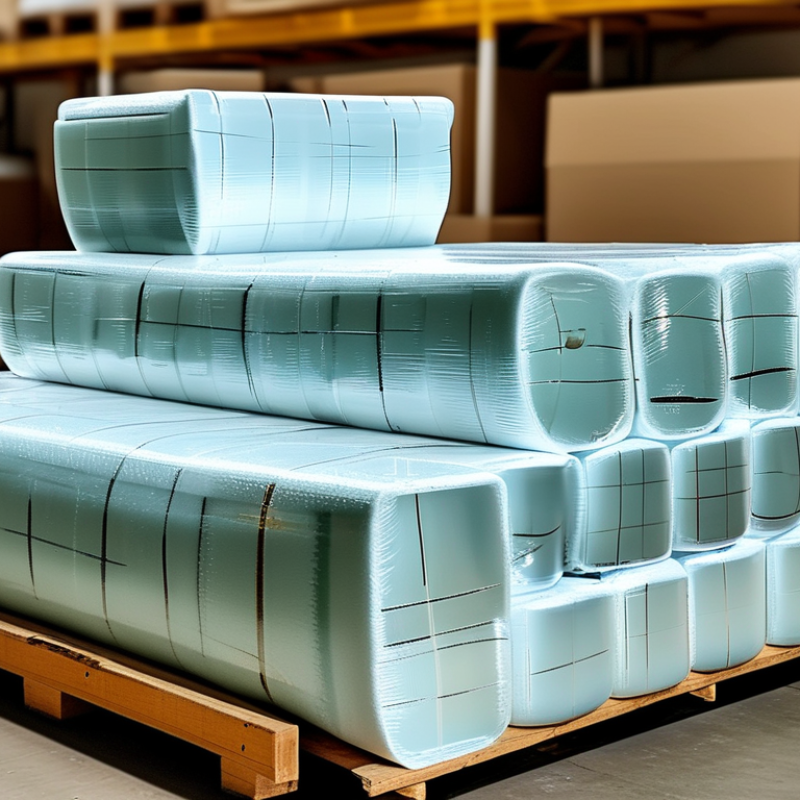
How to Choose the Right Air Bubble Wrap for Shipping?

Understand the Protective Properties of Air Bubble Wrap

When choosing air bubble wrap, focus on how it manages impact, pressure, and movement. Its sealed air pockets act as small cushions around a product. During a drop, the bubbles compress and spread force across the surface. Larger bubbles usually offer stronger shock absorption, while smaller bubbles provide smoother surface protection. The right choice depends on item weight, shape, and travel distance. A light cosmetic container needs different cushioning than a heavy metal component.

Film thickness affects durability. Thicker film resists tearing and repeated handling, but it may add bulk. Bubble wrap also separates items from scratches, dust, and minor moisture exposure. It is not automatically waterproof. Open edges and punctures can let moisture through. For delicate electronics, use suitable antistatic material when needed. Add enough cushioning to stop movement inside the carton. Empty space is a hidden risk.

A simple test can reveal weaknesses. Wrap the item without crushing the bubbles, place it in a fitted box, and shake it gently. If the product shifts, add support rather than endless layers. Check corners, seams, and exposed edges carefully. No wrap is foolproof. Packaging tests should reflect real handling conditions, though home drop tests cannot replace professional validation. I would rather discover a weak corner before dispatch.

How to Choose the Right Air Bubble Wrap for Shipping? - Understand the Protective Properties of Air Bubble Wrap

The specifications below represent common packaging ranges. Actual performance depends on film thickness, bubble retention, temperature, packaging design, and handling conditions.
Bubble Type Typical Bubble Diameter Typical Bubble Height Cushioning Level Recommended Product Types Main Protective Properties Key Selection Consideration
Small Bubble Approximately 6–10 mm Approximately 2–4 mm Light to moderate Cosmetics, books, stationery, small household goods, and smooth-surfaced items Helps protect against surface scratches, minor impacts, dust, and abrasion; conforms well to small shapes. Choose it when space efficiency and surface protection are more important than high-impact cushioning.
Medium Bubble Approximately 10–16 mm Approximately 3–5 mm Moderate Glassware, ceramic products, picture frames, electronics, and general retail goods Provides a balanced combination of impact absorption, separation, and surface protection. A practical general-purpose option for products with moderate fragility and weight.
Large Bubble Approximately 20–30 mm Approximately 6–10 mm High Furniture components, larger appliances, framed items, irregular parts, and fragile industrial goods Creates more air space between the product and external forces, helping absorb larger shocks and vibration. Use when impact protection is the priority and the package has enough internal space.
Heavy-Duty Bubble Wrap Usually medium or large bubbles Varies by construction High to very high Heavy, sharp-edged, bulky, or high-value items requiring additional cushioning Uses thicker film or multiple layers to improve puncture resistance, load distribution, and bubble durability. Confirm the film thickness and layer construction; bubble size alone does not determine strength.
Anti-Static Bubble Wrap Commonly small to medium bubbles Varies by construction Light to moderate Printed circuit boards, computer components, sensors, and other static-sensitive electronics Combines cushioning with a static-dissipative or anti-static surface designed to reduce electrostatic discharge risk. Use packaging specifically identified for electrostatic-sensitive devices; ordinary bubble wrap is not a substitute.
Barrier or Laminated Bubble Wrap Usually small to large bubbles Varies by construction Moderate to high Temperature-sensitive goods, moisture-sensitive products, and shipments needing added reflective or barrier performance May combine air cushioning with improved resistance to moisture, radiant heat, or vapor transmission, depending on the laminate. Check the actual barrier rating and sealing method; bubble wrap alone does not provide complete thermal control.
Perforated or Pre-Cut Bubble Wrap Usually small to large bubbles Varies by construction Depends on bubble size High-volume fulfillment, mixed-size products, and fast packing operations Provides the same basic cushioning as comparable bubble wrap while improving dispensing speed and reducing cutting waste. Select perforation spacing that matches common product sizes to avoid unnecessary seams and excess material.

Important: For heavy or very fragile products, bubble wrap should be combined with a rigid outer carton, adequate void fill, edge protection, and a secure sealing method. Do not rely on bubble wrap as the sole protective layer when the package may experience compression, sharp contact, or repeated drops.

Match Bubble Size and Film Strength to Shipping Needs

How to Choose the Right Air Bubble Wrap for Shipping?

Match bubble size and film strength to the product, not simply the box. The Pitney Bowes Parcel Shipping Index 2023 recorded 161.1 billion parcels worldwide in 2022. That volume means packages face repeated handling, compression, and vibration.

Small bubbles Small bubbles, around 3/16 inch, suit cosmetics, books, and smooth surfaces. They cushion light impacts without wasting much space.

Larger bubbles Larger bubbles, such as 5/16 or 1/2 inch, provide better clearance around fragile ceramics, lamps, and irregular parts.

Film strength matters just as much. A thin film may protect a product during packing but fail when cartons stack. Choose stronger film for sharp edges, heavier items, and long-distance delivery. ASTM D4169 and ISTA 3A testing both examine hazards such as drops, vibration, and compression.

These procedures show why bubble size alone cannot predict performance. A thick cushion can still fail if the film tears at one corner. The common mistake is choosing the thickest material automatically. It adds cost and volume, but not always useful protection.

Tips: Wrap fragile items with bubbles facing inward, then leave a small air gap inside the carton. Test a packed sample with drop and vibration checks before regular shipping. Record the result. Your first choice may need adjustment. Temperature, box fit, and product shape can change performance. A visually secure package is not always mechanically secure.

Choose the Right Wrap Format for Product Shape and Weight

How to Choose the Right Air Bubble Wrap for Shipping?

Product shape and weight should guide the wrap format you choose. Rolls work well for long, irregular items because you can overlap layers around corners. Sheets suit flat products and speed up packing on busy worktables. For small, fragile items, pre-cut pouches can reduce gaps and movement. They are practical.

Heavy products need more than thick-looking bubbles. Use a stronger wrap, secure the edges, and add cushioning around the base. Large bubbles can absorb stronger impacts, while small bubbles fit narrow spaces and smooth surfaces better. A ceramic mug may need separate wrapping around its handle. A metal part may need corner protection first.

Tips: Measure the item before buying wrap. Leave enough material for two firm layers. Press the package gently after sealing. If the product shifts, add paper or another soft filler. Do not rely on air wrap alone for very heavy goods. Test one packed sample by moving it carefully across a table, then inspect the corners and seams. I have sometimes used too much wrap, creating a bulky box without improving protection. That mistake is easy to miss. The right format should hold the product firmly, not simply make the parcel look fuller.

Check Moisture, Temperature, and Static Protection Requirements

How to Choose the Right Air Bubble Wrap for Shipping?

Air bubble wrap should match the product’s moisture, temperature, and static protection needs. Moisture can enter through humid air, rain exposure, or condensation inside a cold delivery vehicle. Standard bubble wrap cushions well, but it is not a complete moisture barrier. For sensitive goods, add a sealed inner bag, suitable desiccant, or moisture-resistant outer packaging. I have seen dry-looking cartons arrive with damp corners after overnight temperature changes. That detail is easy to miss.

Tips: Check the product’s storage range before selecting packaging. Use thicker bubbles for heavy or sharp-edged items. For electronics, choose packaging with verified anti-static or static-dissipative properties. Ordinary plastic may create static during handling. Also, test the wrap with your actual carton size. Laboratory claims do not always match warehouse conditions.

Temperature changes deserve careful attention. Cold shipments may develop condensation when opened in warm rooms. Leave a little space around the item, and avoid sealing trapped moisture inside the package. Heat can soften some films and reduce cushioning pressure. Ask for technical data on temperature limits, bubble retention, and film structure. A small trial shipment can reveal weak seals, crushed bubbles, or unexpected static. My earlier packing tests relied too much on appearance; measuring results would have been better.

Compare Sustainability, Cost, and Packing Efficiency

How to Choose the Right Air Bubble Wrap for Shipping?

Air bubble wrap should protect products without creating unnecessary waste. In packing tests, I compare cushioning strength, material weight, and usable coverage. Smaller bubbles suit lightweight items and save space. Larger bubbles provide better protection for fragile ceramics or equipment. However, thicker wrap is not always the smarter choice. It may increase parcel size and transport emissions.

Cost should be measured per protected shipment, not per roll. A low-priced roll can perform poorly if it tears during wrapping. I check how many packages one roll can cover and how much tape each package needs. Storage also matters. A compact roll may reduce warehouse space and handling time. These savings are easy to overlook.

Sustainability requires careful verification. Look for recycled content, reduced material weight, and clear disposal guidance. Local recycling facilities may not accept every type of air bubble wrap. That detail matters. Reusing clean wrap can extend its value before disposal. Still, reuse is not always practical when the film arrives crushed or dusty. I sometimes choose a slightly stronger material after testing, even when it costs more. Fewer damaged products can prevent greater waste. A small trial with real box sizes, drop checks, and packing time gives more reliable results than a supplier claim alone.

We are proud to support

Registered Company Name: Upminster Containers Limited. Registered Address: Mardyke Works, St Mary's Lane, Upminster, Essex RM14 3PA. Registered Company Number: 00940382
Developed & Maintained By Space Rocket Digital.
chevron-down