Let’s discuss your container requirements
01708 225350
Call Us
sale@modularmarbles.com
Email Us

Why Choose the Right Shower Drain for Your Bathroom Needs?

Choosing the right Shower Drain can significantly impact your bathroom experience. A shower drain is more than just a hole in the floor. It plays a vital role in managing water flow and preventing water damage. With countless options available, the decision can feel overwhelming.

Quality and design are crucial. An effective shower drain should efficiently redirect water away. This protects your flooring and walls from water-related issues. A poorly chosen drain can lead to clogs and even costly repairs down the line.

Consider factors such as size, style, and materials when making your selection. Aesthetics are important, but functionality cannot be ignored. It’s all about finding the right balance. Reflecting on your unique needs will guide you toward making a more informed choice.
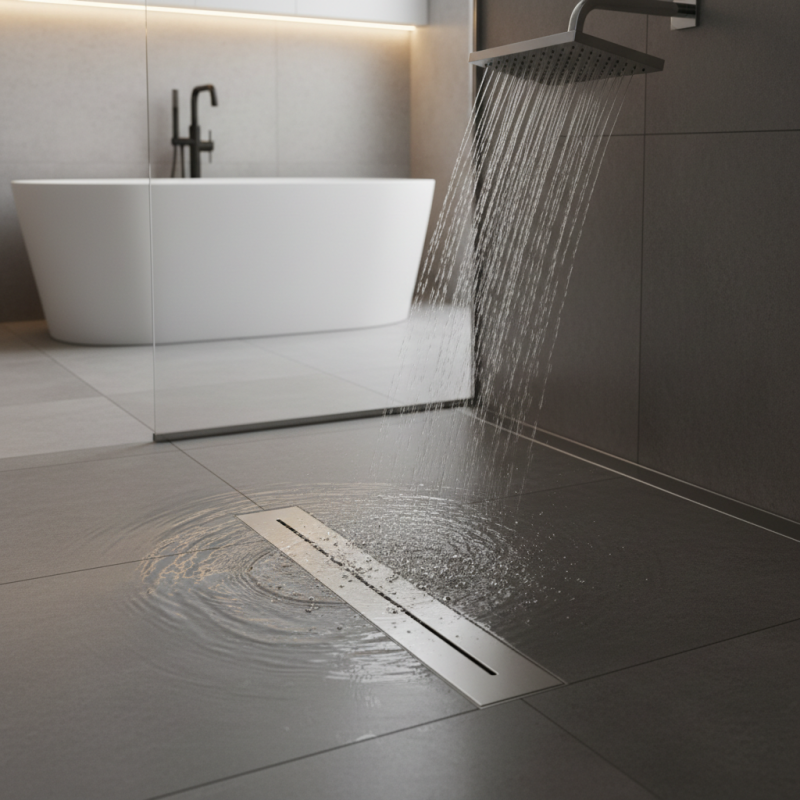
Why Choose the Right Shower Drain for Your Bathroom Needs?

Understanding Different Types of Shower Drains Available in the Market

Selecting the right shower drain is crucial for any bathroom renovation. Understanding the various types available can help you make an informed choice. Shower drains typically fall into four main categories: traditional, linear, point, and tile-in drains. Each serves distinct functions and fits different design needs.

Traditional drains are the most common in residential settings. They have a circular design and are often used in stand-alone shower enclosures. According to industry reports, they account for over 50% of the market due to their versatility and ease of installation. Linear drains, on the other hand, are gaining popularity. They provide a sleek, modern look and allow for greater water flow, making them ideal for larger shower spaces. Data shows a 15% increase in preference for linear models in recent years.

Point drains are simpler but may not handle heavy water flow efficiently. They are suitable for smaller showers but could lead to standing water if not positioned correctly. Tile-in drains allow seamless integration with flooring. However, without careful planning, they can create maintenance issues. Evaluating these options is essential. The right choice can enhance both functionality and aesthetic appeal in your bathroom space.

Evaluating Your Bathroom Layout and Drain Placement Options

When planning your bathroom layout, drain placement is crucial. The right shower drain can enhance functionality. Consider the location of your shower. A central drain may work well for larger spaces, while a linear drain might suit smaller areas. How the water flows is important too. Ideally, water should move towards the drain without pooling.

Evaluate your existing plumbing and the slope of your floor. A flat surface could lead to water issues. Sometimes, a seemingly perfect layout may require adjustments. What looks good might not be practical. A professional consultation can help. Their experience ensures you choose wisely.

Don’t forget about aesthetics. A stylish drain can complement your decor. However, it’s not just about looks. You want reliable performance too. Assess materials available, as they affect durability. Remember, a wrong choice can lead to costly repairs later. Make sure all aspects align with your long-term needs.

Key Features to Consider When Choosing a Shower Drain

When selecting a shower drain, key features can dramatically impact your bathroom's functionality and hygiene. A well-chosen drain can minimize clogs and enhance water flow. According to industry studies, nearly 40% of homeowners experience drainage issues due to improper drain sizing and placement. Therefore, understanding the size and type of drain is crucial. Standard drain sizes vary from 2 to 4 inches, and proper sizing ensures efficient water removal.

Additionally, consider the material of the drain. Stainless steel and PVC are popular choices. Stainless steel, while more expensive, provides durability and resistance to rust. In contrast, PVC is often lighter and easier to install but may wear out more quickly. Furthermore, a drain's design can affect cleaning accessibility. A removable or cleanable grate can simplify maintenance. In fact, homeowners report spending nearly 20% more time on cleaning when the drain design complicates access. Engaging with these details can help you make an informed choice, turning your shower into a space of comfort instead of concern.

The Importance of Drain Size and Flow Rate for Efficient Water Disposal

Choosing the right shower drain is crucial for your bathroom's efficiency. The size and flow rate of the drain directly impact water disposal. According to industry reports, a typical shower produces about 2.5 gallons of water per minute. If the drain can't keep up, water will pool, leading to slips and hygiene issues.

A properly sized drain promotes effective water removal. Standard drain sizes range from 2 to 4 inches in diameter. Larger drains can handle higher flow rates effectively. For example, a 4-inch drain can accommodate flow rates of up to 60 gallons per minute. This prevents clogs and ensures a smooth shower experience.

Tips: When choosing a drain, consider your shower head's flow rate. If it’s on the high side, opt for a larger drain. Regular maintenance is also essential. Clean your drain often to avoid buildups. An overlooked drain can lead to hidden problems like mold growth and structural damage. Assess your drainage system regularly to ensure it meets your needs.

Maintenance and Cleaning Tips for Long-lasting Shower Drains

Choosing the right shower drain is crucial for your bathroom’s hygiene and functionality. Regular maintenance ensures longevity and optimal performance. Start with a thorough inspection once a month. Look for signs of clogging or rust. A damp cloth can eliminate surface dirt.

Cleaning your drain regularly can prevent bigger issues. Use a mix of vinegar and baking soda to break down buildup. Pour this mixture down the drain and let it sit for about 30 minutes. Rinse with hot water to flush away residue. This simple method can save you from costly repairs later.

Don't forget about the drain cover. It collects hair and debris, which can lead to clogs. Remove it periodically and clean it with a brush. Sometimes, a little effort now can prevent significant problems later. Remember, neglecting your shower drain might lead to unpleasant odors or even water damage.

Shower Drain Maintenance and Cleaning Frequency

Article Source:

We are proud to support

Registered Company Name: Upminster Containers Limited. Registered Address: Mardyke Works, St Mary's Lane, Upminster, Essex RM14 3PA. Registered Company Number: 00940382
Developed & Maintained By Space Rocket Digital.
chevron-down