Let’s discuss your container requirements
01708 225350
Call Us
sale@modularmarbles.com
Email Us

Why Shipping Container Delivery is Crucial for Modern Logistics?

In the modern logistics landscape, shipping container delivery plays a pivotal role. The World Trade Organization reports that over 80% of global merchandise trade by volume is transported via shipping containers. This method offers efficiency and reliability. Yet, challenges remain. Supply chain disruptions can impact timely deliveries, showcasing the flaws in logistics planning.

Many businesses depend on seamless shipping container delivery for their operations. According to a report from the International Maritime Organization, container ships carried around 90% of the world’s trade by volume in 2021. This reliance highlights a potential vulnerability. Any delay in shipping can lead to significant financial losses. Logistics managers must continually adjust strategies to mitigate these risks.

The need for robust shipping container delivery systems is undeniable. Still, the industry grapples with overcapacity and environmental concerns. These issues prompt a re-evaluation of current practices. Overall, the efficiency of shipping container delivery remains crucial for maintaining a competitive edge in global markets. However, the path forward is riddled with complexities that require careful consideration.

Why Shipping Container Delivery is Crucial for Modern Logistics?

The Evolution of Shipping Containers in Modern Logistics Systems

The evolution of shipping containers has radically transformed logistics. Originally designed in the early 1950s, these containers standardized cargo transport. They replaced cumbersome loading methods. This made shipping faster and more efficient. Cargo can now move seamlessly across different transport modes. Trucks, ships, and trains all use the same container. This uniformity reduces handling time significantly.

In modern logistics, the importance of shipping containers continues to grow. They allow businesses to optimize supply chains worldwide. Yet, challenges remain. Containers can become bottlenecks at ports. Delays in customs can halt progress. Additionally, not all ports are equipped to handle container ships efficiently. Poor infrastructure can slow down delivery times. Companies need to address these issues to keep pace.

Interestingly, the rise of e-commerce has changed container use further. Small packages are now shipped in larger containers. This shift raises new questions about efficiency. Are we using space effectively? Some companies struggle with this balance. Understanding the container's role is vital. It impacts costs and delivery speed. In this evolving landscape, reflection is essential for improvement.

Key Benefits of Shipping Container Delivery in Global Trade Dynamics

Shipping container delivery plays a vital role in modern logistics. It streamlines the transportation process. Containers are versatile and can be easily transferred between ships, trucks, and trains. This flexibility enhances efficiency. Companies can move goods quickly across borders. The ability to handle cargo efficiently reduces delays. It also optimizes supply chains.

Moreover, shipping containers are cost-effective. They allow for bulk shipping, reducing individual transport costs. However, this does bring challenges. Overcrowding at ports can create bottlenecks. Not all regions have adequate infrastructure. This can lead to delays and increased expenses. Companies must address these issues to maintain competitiveness in global trade.

In addition to cost, security is a major advantage. Containers are designed to protect goods. Yet breaches can occur. Theft and damage remain concerns during transit. Companies should implement robust tracking systems. Addressing these risks is crucial for maintaining trust in logistics. Balancing efficiency and security is an ongoing challenge in the industry.

Why Shipping Container Delivery is Crucial for Modern Logistics? - Key Benefits of Shipping Container Delivery in Global Trade Dynamics

Key Benefit Description Impact on Global Trade
Cost Efficiency Shipping containers maximize cargo space and reduce transportation costs. Lower shipping costs stimulate international trade.
Standardization Uniform sizes and structures make it easier to load, unload, and transfer goods. Facilitates smoother global supply chain operations.
Security Containers safeguard goods against theft and damage during transit. Builds trust among global trade partners.
Flexibility Adaptable for various types of goods including perishables and hazardous materials. Enhances the range of products traded globally.
Speed of Delivery Efficient loading and unloading processes reduce delays. Improves overall supply chain responsiveness.

Impact of Shipping Container Delivery on Supply Chain Efficiency

Shipping container delivery has transformed the logistics landscape. It provides unmatched efficiency in transporting goods across the globe. Containers standardize shipments, allowing for quick loading and unloading. This speed is vital for meeting customer demands. Time-sensitive goods benefit greatly from this system.

The impact on supply chain efficiency is significant. With containers, companies can reduce transit times and minimize delays. The adoption of intermodal transport is easier with standard-sized containers. This flexibility streamlines operations and can cut costs. However, not every aspect is perfect. Some ports struggle with congestion, leading to bottlenecks. This issue can frustrate shippers and compromise delivery timelines.

Containers also enhance tracking and inventory management. Businesses can monitor shipments in real-time. Still, reliance on technology can be a double-edged sword. Cybersecurity risks increase as logistics become more digitized. Companies must invest in secure systems. Overall, while container delivery has numerous benefits, challenges remain, requiring constant reflection and improvement.

Statistical Insights: Containerization's Role in Reducing Transport Costs

Why Shipping Container Delivery is Crucial for Modern Logistics?

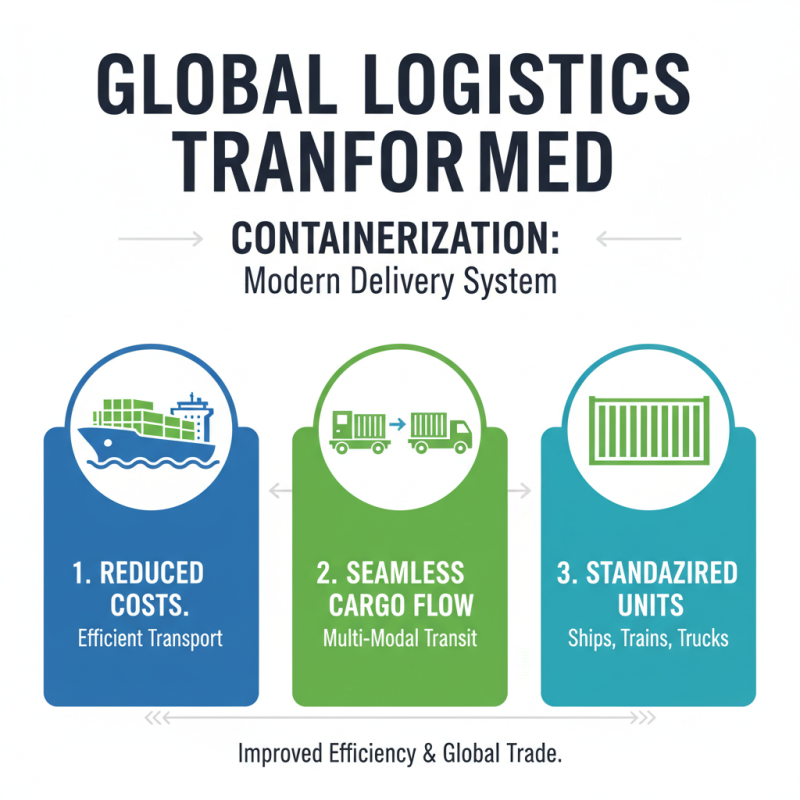
Containerization has transformed global logistics. This modern delivery system significantly reduces transport costs. Containers allow cargo to be moved seamlessly across different modes of transportation. Ships, trains, and trucks can easily handle standardized containers, improving efficiency.

Statistical insights reveal that shipping container delivery cuts transportation costs by up to 30%. This efficiency boosts trade opportunities worldwide. Yet, challenges exist. Not all countries have adequate infrastructure for container handling. Ports may face congestion, causing delays and increased costs. These issues remind us that while containerization is efficient, it isn't perfect.

Environmental impacts also need consideration. The rise in shipping volume may lead to higher emissions. Striking a balance between efficiency and sustainability is crucial. The logistics industry must explore greener alternatives. Despite its advantages, it is vital to reflect on these complexities. Containerization has reshaped logistics, but the ramifications warrant ongoing evaluation.

The Future of Shipping Containers in Sustainable Logistics Practices

The future of shipping containers lies in their role in sustainable logistics. As the world faces climate challenges, businesses must adapt. Shipping containers can reduce waste and lower carbon footprints. They offer reusable and versatile solutions that align with eco-friendly practices.

Many logistics companies are exploring innovative ways to repurpose containers. This includes using them for storage, offices, or even housing. However, this shift is not without obstacles. Stakeholders often grapple with initial costs, infrastructure changes, and regulations. These challenges can hinder progress in fully utilizing containers for sustainability.

Additionally, while many efforts focus on recycling, not all containers are sustainable. Some remain underutilized or face damage, which questions their efficiency. Therefore, there is a pressing need for a comprehensive approach. Learning from failures and working collectively is essential. Embracing creativity can lead to better applications for shipping containers. Achieving true sustainability requires continuous improvement and a commitment to innovative practices.

We are proud to support

Registered Company Name: Upminster Containers Limited. Registered Address: Mardyke Works, St Mary's Lane, Upminster, Essex RM14 3PA. Registered Company Number: 00940382
Developed & Maintained By Space Rocket Digital.
chevron-down