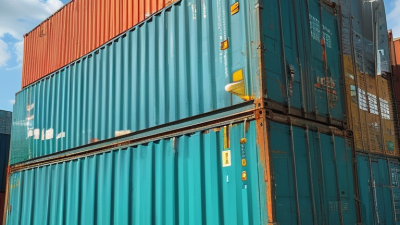
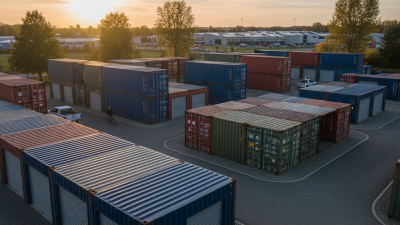
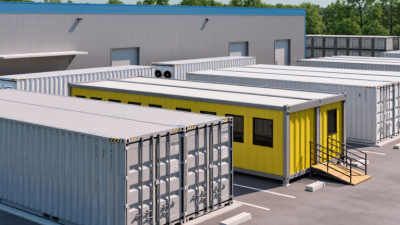
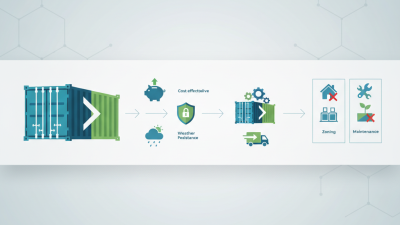
Global buyers need more than a low container price when selecting container self storage solutions. They must compare construction quality, security, weather resistance, delivery access, and local installation requirements. A strong option may include refurbished steel shipping containers, new one-trip units, insulated models, and modular storage systems. Each choice serves a different purpose.
Refurbished containers can reduce costs while providing durable steel walls and lockable doors. New one-trip units usually offer cleaner interiors and fewer repair concerns. Insulated or climate-controlled containers suit documents, electronics, furniture, and temperature-sensitive goods. Modular units may work better for commercial sites requiring several connected rooms. Check door seals, ventilation, floor condition, lockbox design, and drainage before purchase. Small details matter.
They matter more than expected.
Reliable suppliers should provide clear specifications, inspection photographs, delivery dimensions, warranty terms, and maintenance guidance. Buyers should also confirm whether the unit meets local planning, transport, fire-safety, and site-access requirements. Standards and approvals can differ between countries, ports, and municipalities. A container that works perfectly in one region may require changes elsewhere.
That uncertainty deserves attention.
An experienced purchasing process compares total ownership costs, not only the initial quotation. Delivery distance, crane access, foundation preparation, taxes, insurance, and future relocation can change the final budget. Independent inspections may reveal corrosion beneath paint or uneven flooring. This guide examines the top container self storage options for global buyers, with practical criteria for choosing secure, durable, and financially sensible units. Some recommendations remain context-dependent, because the best solution depends on climate, storage duration, cargo sensitivity, and local operating conditions.
Demand should guide every container self storage decision. SSA household-use data helps reveal who rents storage, why they rent it, and how often needs change. Household moves, renovation projects, seasonal equipment, and limited apartment space can create steady demand. These details matter more than simply choosing the cheapest container.
FEDESSA surveys add a valuable European perspective. They can show customer expectations around access, security, contract length, and digital booking. A buyer comparing markets should examine both sources together. For example, strong household demand may support ground-level containers near residential districts. In dense areas, compact units with controlled access may work better. Local climate also matters. Ventilation, weather seals, drainage, and corrosion protection deserve close inspection.
Data is not perfect. Surveys can miss informal storage habits or newer customer groups. SSA findings may not fully represent every country, while FEDESSA results may reflect regional conditions. Treat them as evidence, not guarantees. A careful buyer should test assumptions with local enquiries, competitor visits, and small pilot sites. Count abandoned leads, preferred unit sizes, and peak enquiry months. Then revise the plan. That step is often overlooked. Reliable decisions combine published research with visible customer behaviour, transparent operating costs, and practical experience managing access, maintenance, and security.
Global buyers comparing container self-storage units should begin with ISO 668 dimensions, not advertised volume alone. This standard defines key external measurements for intermodal containers. A nominal 20-foot unit measures about 6.058 meters long and 2.438 meters wide. Its standard height is approximately 2.591 meters. A 40-foot unit measures about 12.192 meters long, with the same width and standard height.
High-cube units require separate attention. Their height is generally about 2.896 meters, creating more vertical storage space. However, ISO 668 does not guarantee identical internal measurements. Wall thickness, corner fittings, flooring, doors, and insulation reduce usable capacity. Check the supplier’s technical drawing before planning shelving or vehicle access.
Small differences matter. A pallet may fit on paper but fail near the door frame. Measure clear door width, internal length, and ceiling height. Also confirm whether stated dimensions are external or internal. Payload capacity depends on construction, floor condition, and transport configuration, so it should never be estimated from size alone. A practical inspection should record rust, water ingress, ventilation, locking points, and floor damage. ISO dimensions create a reliable baseline, but they do not replace inspection. This is where many comparisons become imperfect. Two units with identical nominal dimensions may offer noticeably different storage experiences.
Define Unit Standards with ISO 668 Dimensions for 20-Foot and 40-Foot Units
| Storage Option | ISO Size Code | ISO 668 External Dimensions (L × W × H) |
Typical Internal Dimensions (L × W × H) |
Typical Door Opening (W × H) |
Approx. Internal Volume | Approx. Floor Area | Best Storage Application |
|---|---|---|---|---|---|---|---|
| 20-Foot Standard Dry Unit | 1CC / 1C | 6,058 × 2,438 × 2,591 mm 19 ft 10¼ in × 8 ft × 8 ft 6 in |
5,898 × 2,352 × 2,393 mm Typical dimensions; manufacturer tolerances apply |
2,340 × 2,280 mm | Approximately 33.2 m³ 1,172 ft³ |
Approximately 13.9 m² 149.9 ft² |
General household goods, tools, inventory, and compact commercial storage. |
| 20-Foot High-Cube Unit | 1CC / 1C with high-cube height | 6,058 × 2,438 × 2,896 mm 19 ft 10¼ in × 8 ft × 9 ft 6 in |
Approximately 5,898 × 2,352 × 2,698 mm | Approximately 2,340 × 2,585 mm | Approximately 37.4 m³ 1,321 ft³ |
Approximately 13.9 m² 149.9 ft² |
Bulky goods, tall shelving, motorcycles, machinery parts, and volume-sensitive storage. |
| 40-Foot Standard Dry Unit | 1A | 12,192 × 2,438 × 2,591 mm 40 ft × 8 ft × 8 ft 6 in |
12,032 × 2,352 × 2,393 mm Typical dimensions; manufacturer tolerances apply |
2,340 × 2,280 mm | Approximately 67.7 m³ 2,390 ft³ |
Approximately 28.3 m² 304.6 ft² |
Large household moves, palletized inventory, construction materials, and long-term commercial storage. |
| 40-Foot High-Cube Unit | 1AA | 12,192 × 2,438 × 2,896 mm 40 ft × 8 ft × 9 ft 6 in |
Approximately 12,032 × 2,352 × 2,698 mm | Approximately 2,340 × 2,585 mm | Approximately 76.3 m³ 2,694 ft³ |
Approximately 28.3 m² 304.6 ft² |
Highest-capacity option for tall products, retail stock, warehouse overflow, and export-ready storage. |
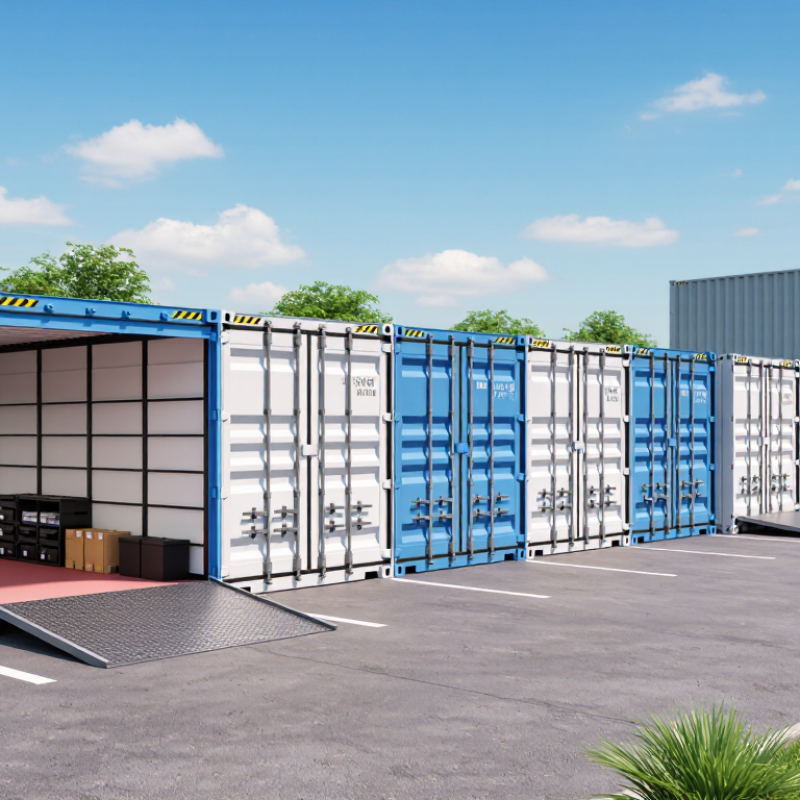
For global buyers, the best container self storage option depends on access, climate, and site conditions. Yard storage suits contractors, exporters, and fleet operators needing outdoor space for large containers. It offers simple loading with forklifts, but weather exposure may affect sensitive contents. Drive-up storage provides direct vehicle access, reducing handling time for tools, furniture, and boxed inventory. A wide turning area matters more than many buyers expect.
Indoor storage gives stronger protection against humidity, dust, and temperature changes. It fits documents, electronics, household goods, and smaller business stock.
Portable storage brings the container to a home, project site, or temporary warehouse. It is convenient, but ground stability and delivery clearance require careful checking.
Hybrid storage combines outdoor container space with covered loading areas or indoor units. This model can balance cost and protection, although its pricing structure may be less obvious.
Tips: Inspect door seals, ventilation, floor strength, locking points, and drainage before purchase. Ask for delivery measurements and confirm local access conditions. Keep an inventory with photographs. I have seen buyers focus on container volume and overlook turning space, which created avoidable delays. No model is perfect. Choose based on the contents, loading frequency, weather exposure, and realistic operating habits.
Global buyers should compare container self storage options by total delivered cost, not purchase price alone. A standard steel container may offer a lower entry price, while insulated units can protect temperature-sensitive household goods more effectively. Request written quotes for transport, unloading, site preparation, locks, ventilation, and local taxes. Small omissions can change the result.
Rent creates the clearest comparison. Divide the monthly site rent by usable storage capacity, then add maintenance and insurance expenses. Occupancy matters just as much. A facility operating at 90% occupancy may produce stronger returns than one charging less rent but remaining half empty. However, occupancy figures need evidence, such as recent rental records or signed customer agreements. Marketing claims are not enough.
Delivery deserves careful measurement. Compare the cost per kilometer, waiting fees, crane access, road restrictions, and return-trip charges. A container priced at 2,800 dollars may become a 4,100-dollar asset after delivery and installation. I once underestimated ground leveling, and the budget changed within a week. That mistake still influences my evaluations. Weather, local labor availability, and seasonal fuel prices can also distort forecasts. Use a three-scenario worksheet: low, expected, and high delivery costs. Then test occupancy at 60%, 80%, and 95%. The cheapest option can look different under each case.
What Are the Top Container Self Storage Options for Global Buyers?
Global buyers usually compare new containers, used units, and modified storage containers. The best option depends on climate, cargo, transport routes, and local regulations. A used container may cost less, but its history requires careful checking. Look for a readable CSC safety plate, recent inspection evidence, and doors that close evenly. Rust around corner castings is a warning sign. Small leaks become expensive problems.
CSC compliance supports safe international transport, but it does not guarantee local storage approval. Confirm the plate’s validity with the seller and inspect the container’s floor, roof, locking bars, and frame. Customs requirements can change by destination and ownership status. Ask for the commercial invoice, packing details, origin records, and transport documents. VAT may apply to purchase, import, delivery, or local installation. The exact charge depends on the destination’s tax rules.
Insurance data deserves equal attention. Request the policy scope, insured value, deductible, storage location requirements, and exclusions for flooding, corrosion, theft, or unattended sites. A standard transport policy may not cover long-term storage. I once treated a clean exterior as proof of quality. That assumption was too simple. Photos can hide floor damage and repaired panels. An independent inspection is safer, especially for remote purchases. Keep every certificate, inspection report, customs record, and payment document together. Clean paperwork helps, but it cannot replace a physical inspection.