Let’s discuss your container requirements
01708 225350
Call Us
sale@modularmarbles.com
Email Us

Top Faux Wood Wall Panels Suppliers Worldwide

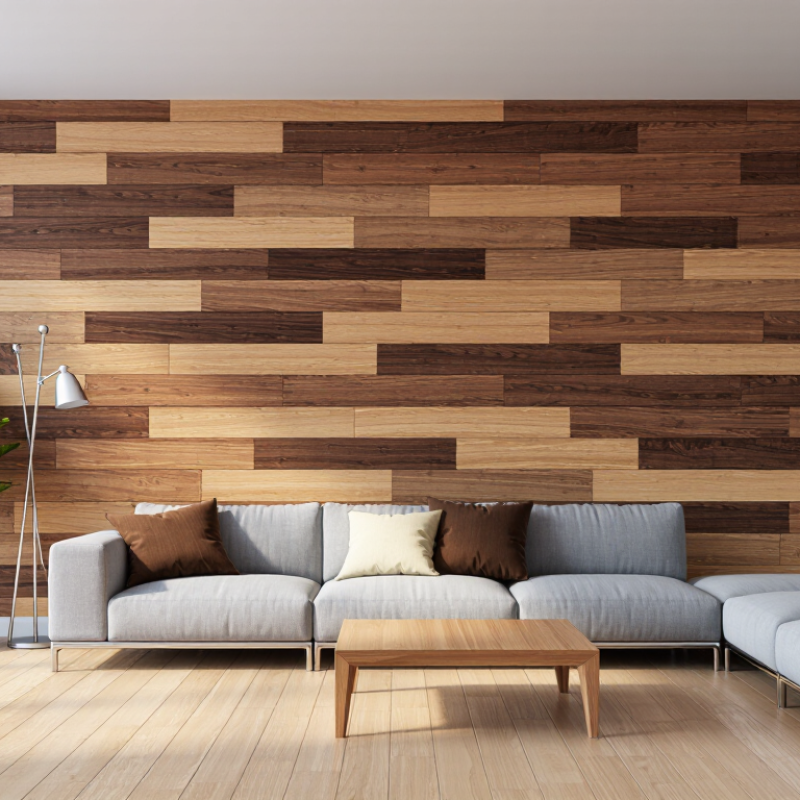
Faux Wood Wall Panels can bring the warmth of timber to interiors without requiring solid wood boards. Yet “faux wood” covers several products, including wood-plastic composites, PVC, and decorative surface panels. Their weight, texture, moisture resistance, and installation requirements can vary considerably. A good supplier explains these differences clearly. A glossy sample may look convincing under showroom lights, but the same finish can feel different beside a window or beneath warm lamps.

William Morris, the designer and craftsman, offered a useful principle: “Have nothing in your houses that you do not know to be useful, or believe to be beautiful.” For buyers, that means judging appearance alongside performance. Request samples, technical specifications, care guidance, and details about panel dimensions and installation. Compare how suppliers handle packaging, customization, lead times, and after-sales support. Ask how finishes perform in the intended room; kitchens and bathrooms, for example, may need different considerations from a dry living room. No panel is perfect. A textured surface can collect dust, and color can shift between batches, so check samples in the actual space when possible.

This guide introduces leading Faux Wood Wall Panels suppliers worldwide and the practical questions that help narrow a shortlist. It is not a substitute for checking current product documentation. Verify each claim with the supplier. A careful comparison can reveal the right balance of appearance, durability, and cost for a specific project.
Top Faux Wood Wall Panels Suppliers Worldwide

Faux Wood Wall Panels: Materials, Finishes, and Core Types

Top Faux Wood Wall Panels Suppliers Worldwide

Faux wood wall panels are made from several core materials, and the choice affects weight, moisture tolerance, and installation. PVC panels are light and easy to wipe clean, while wood-plastic composite panels feel denser and can show deeper grain. MDF-based panels often offer crisp profiles, but their edges need protection from moisture. Check the product specification rather than relying on appearance alone. A convincing oak print can hide a core that is unsuitable for a damp room.

Finishes range from smooth painted surfaces to embossed textures with knots and brushed grain. Matte finishes usually soften glare; glossy coatings can make scratches more noticeable under side lighting. Common panel types include hollow panels for lighter interior use, solid composite boards for a sturdier feel, and decorative slat panels designed to create narrow shadow lines. Samples help. View them in the room’s actual light, because warm showroom lighting can distort color.

Tips: Ask suppliers for core details, edge treatment, fire-performance documentation, and cleaning guidance. Compare sample thickness and panel weight, too. I once underestimated how strongly a dark finish changed a small room; the sample looked calmer in daylight.

Global Supplier Landscape: Regions, Product Ranges, and Manufacturing

The global faux wood wall panel market reflects regional materials, climate demands, and manufacturing capabilities. East Asian suppliers often provide wide product ranges, including lightweight PVC and wood-plastic composite panels. European manufacturers commonly emphasize surface texture, interior finish options, and documented material performance. North American producers may focus on larger formats and panels suited to renovation projects. These are broad patterns, not guarantees; individual factories vary considerably.

Production methods affect appearance and durability. Extrusion creates consistent profiles, while molded or laminated surfaces can reproduce grain and knots. A printed pattern may look convincing online, yet repeated knots can feel artificial across a full wall. Details matter. Before ordering, request a physical sample and compare its color under warm and cool light. Check panel thickness, edge finish, installation method, and batch consistency. For bathrooms or covered outdoor areas, verify moisture-performance data rather than relying on sales descriptions. Ask for relevant fire and emissions documentation where the project requires it. Supplier comparisons are rarely tidy: similar product names can describe different core materials. Even a careful review may miss a small finish variation between production runs.

Top Faux Wood Wall Panels Suppliers Worldwide - Global Supplier Landscape: Regions, Product Ranges, and Manufacturing

Qualitative overview of regional supply patterns for faux wood wall panels. Product availability and manufacturing capabilities vary by supplier and market.
Region Common Product Ranges Typical Materials and Formats Manufacturing and Supply Characteristics Common Market Focus
North America Interior decorative wall panels, wood-look slat systems, exterior cladding, and moisture-resistant panels PVC, wood-plastic composite (WPC), engineered wood, and foam-based decorative panels; boards, planks, and modular systems Supply includes domestic production and imports. Some manufacturers offer made-to-order colors, profiles, and project-sized orders. Residential renovation, retail and hospitality interiors, and exterior applications where weather resistance is specified
Europe Decorative interior wall coverings, acoustic slat panels, wood-effect cladding, and fire-performance-focused systems Coated or laminated engineered wood, PVC, WPC, and other polymer-based panels; finished boards and assembled panel systems Manufacturers commonly emphasize documented product specifications, surface finishes, and compliance with relevant regional construction requirements. Interior fit-outs, housing renovation, commercial spaces, and projects with specified acoustic or fire-performance requirements
East Asia Broad ranges of decorative wall boards, wood-look panels, ceiling and wall systems, and exterior cladding products PVC, WPC, engineered wood, and laminated or printed surface panels; profiles include flat boards, grooves, and slats The region has substantial manufacturing capacity across building products. Export-oriented suppliers often provide multiple finishes and packaging options. Domestic construction and renovation markets, as well as export supply for residential and commercial projects
South Asia Interior decorative boards, wood-grain wall panels, PVC wall cladding, and selected WPC products PVC and engineered wood products are common; availability of WPC and specialty finishes varies by market Production and distribution serve growing local construction markets, with imported materials and equipment also contributing to supply. Housing, retail interiors, hospitality, and cost-conscious renovation projects
Southeast Asia Moisture-resistant wall cladding, decorative PVC panels, WPC boards, and wood-look interior finishes PVC and WPC are commonly used in panel and plank formats; surface designs include printed wood patterns and embossed finishes Regional suppliers serve both local building demand and export channels. Product specifications should be checked for the intended climate and installation conditions. Residential and hospitality projects, renovation, and applications in warm or humid environments
Middle East Decorative interior panels, feature-wall systems, wood-look cladding, and selected exterior products Imported and locally distributed PVC, WPC, and engineered wood panels; formats range from boards to complete decorative systems Many markets rely on a combination of imports, regional distribution, and project-based supply. Heat, UV exposure, and fire requirements can influence specification. Hospitality, retail, residential development, and commercial interior fit-outs
Latin America PVC wall panels, decorative wood-effect boards, WPC products, and interior cladding PVC and engineered wood are widely encountered product categories; WPC availability and local production vary by country Supply typically combines local manufacturing, regional trade, and imports. Lead times and available profiles can differ substantially between markets. Residential construction, remodeling, retail, and hospitality interiors

Note: “Faux wood” describes an appearance rather than a single material. Confirm the panel’s substrate, intended interior or exterior use, moisture limits, fire classification, emissions documentation, installation method, and warranty with the supplier before specification.

Fire-Test Benchmark: ASTM E84 Class A Limits of 0–25 Flame Spread

Top Faux Wood Wall Panels Suppliers Worldwide

Fire-Test Benchmark: ASTM E84 Class A Limits of 0–25 Flame Spread

For faux wood wall panels, ask suppliers for the full ASTM E84 test report, not just a “Class A” claim. ASTM E84-24 measures surface flame spread and smoke development under controlled tunnel conditions. Class A corresponds to a flame-spread index (FSI) of 0–25; the 2024 International Building Code also sets a smoke-developed index limit of 450 for this classification. Details matter. These results describe tested samples, not every panel configuration or a wall’s fire resistance. A different backing, adhesive, finish, or air gap can change the assembly being evaluated. That point is easy to miss.

Compare reports for the exact product thickness, substrate, and installation method you plan to use. Check the laboratory, report date, specimen description, and both FSI and smoke-developed index. A supplier’s brochure may simplify the result; request the underlying document and confirm it matches the delivered panels. ASTM E84 is a comparative surface-burning test, not a prediction of how a finished room will behave in every fire. Not a guarantee.

Tips: Keep the test report, installation instructions, and purchase specifications together. Before ordering, ask whether the tested finish matches the sample in your hand. A small mismatch can matter.

Formaldehyde Compliance: TSCA Title VI Limits of 0.05–0.13 ppm

When comparing faux wood wall panel suppliers worldwide, ask what sits beneath the printed grain. Many panels use a composite-wood core; others use polymers or mineral-based boards. TSCA Title VI applies to regulated composite wood products, not every decorative panel. The familiar limits are 0.05 ppm for hardwood plywood, 0.09 ppm for particleboard, and 0.11 ppm for MDF; thin MDF has a 0.13 ppm limit. These are emission limits measured under prescribed test conditions, not room-air targets. Details matter.

Request documentation identifying the core, product category, and applicable testing or certification. Check carton labels and technical sheets, matching them to the exact panel thickness and construction. A supplier’s broad “compliant” claim is less useful without traceable records. Look for independent third-party certification where required, and ask whether coatings, adhesives, or backing materials affect emissions. Ask how production changes are controlled.

Paperwork can look tidy; production can vary.

For imported projects, retain records with purchase orders and installation details, and ventilate spaces during and after installation. Compliance with an emission limit does not mean zero emissions or guarantee indoor air quality.

How to Evaluate Suppliers: Certifications, Lead Times, and Warranty Terms

When comparing faux wood wall panel suppliers, request current test reports for the exact panel construction, not a similar product. Check whether certifications cover fire performance, emissions, or moisture resistance relevant to your project. Requirements vary by location and building use. Ask who issued each report and whether it can be verified independently. Paperwork matters.

Order a physical sample and inspect its surface under the lighting planned for the room. Grain patterns and colors can look different in photographs. Ask the supplier to confirm whether the sample matches the production batch. Get a written lead-time schedule that separates sample approval, manufacturing, packing, and shipping. “Four weeks” is vague. Check whether the quoted date assumes materials are in stock, and ask how delays will be communicated.

Read warranty terms before placing a deposit. Confirm coverage length, remedies for defects, and exclusions for installation, cleaning, humidity, or sunlight. Ask what evidence is needed to make a claim, such as batch labels or installation photos. Keep a spare panel from the same batch, if practical; repairs may expose color variation. A supplier’s answers can be helpful, but they do not replace clear written terms. I would still leave room for surprises—lead times and finishes are not always as tidy as a quotation suggests.

We are proud to support

Registered Company Name: Upminster Containers Limited. Registered Address: Mardyke Works, St Mary's Lane, Upminster, Essex RM14 3PA. Registered Company Number: 00940382
Developed & Maintained By Space Rocket Digital.
chevron-down