Choosing the China best Tile Bond Adhesive suppliers requires more than comparing prices or reading polished catalog descriptions. A dependable supplier should demonstrate product knowledge, stable manufacturing, clear testing records, and practical installation experience. Tile Bond Adhesive must match the tile type, substrate, moisture level, temperature, and project location. A bathroom wall, an outdoor balcony, and a large porcelain floor do not demand the same formulation.
Dave Gobis, a respected ceramic tile installation educator, puts it plainly: “The substrate is the foundation of every successful tile installation.” This principle remains important when evaluating Chinese manufacturers. Look for suppliers that provide technical data sheets, batch information, curing times, coverage rates, and recommended mixing instructions. ISO-based quality systems may add confidence, but certificates alone do not prove field performance. Ask for recent test reports and sample batches. Test them under realistic conditions, including open time, slip resistance, workability, and bond strength.
Experience often reveals what websites hide. A supplier may offer attractive pricing yet respond slowly when a project faces uneven walls or high humidity. Another may cost more but provide reliable technical support and consistent delivery. There is no single “best” supplier for every buyer. That is the uncomfortable part. Your decision should reflect project risk, local standards, installer habits, and long-term service needs. This guide examines leading China Tile Bond Adhesive suppliers through those practical criteria, while recognizing that laboratory results still require careful on-site verification. Small details matter. Mistakes become expensive.
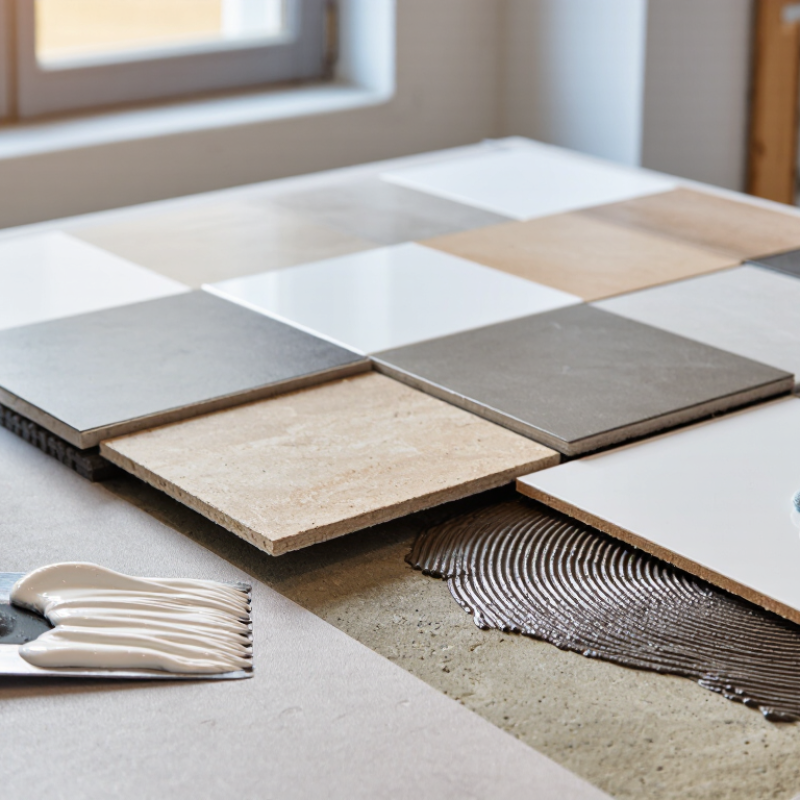
Tile bond adhesive is a prepared material that fixes ceramic, porcelain, or stone tiles to surfaces. It usually contains cement, graded fillers, polymers, and performance additives. After mixing with water, it forms a workable paste with controlled open time. The adhesive must grip both the tile and substrate. It must hold.
Supplier selection matters because adhesive quality can change between batches. A reliable supplier should provide a current technical data sheet, safety information, test results, and clear mixing instructions.
Check recommended coverage, curing time, water resistance, and temperature limits. These details affect a bathroom wall differently than an outdoor terrace. Small details matter.
From practical site experience, a trial panel can reveal more than a polished sales message. Apply the adhesive to concrete, allow the stated waiting period, and check coverage beneath the tile. Poor coverage may cause hollow sounds or later cracking. Ask how the supplier controls raw materials, production records, moisture, and packaging. Sealed bags should show batch numbers and production dates. Samples should match future bulk deliveries. That is not always guaranteed.
Price deserves attention, but it should not lead the decision alone. Very cheap adhesive may require thicker application or create more installation waste. A professional supplier also responds clearly when storage conditions, substrate preparation, or mixing ratios are questioned. Documentation helps, although it cannot replace an honest factory evaluation. Reflecting on failed projects is useful; sometimes the adhesive was blamed when the real issue was dusty concrete or incorrect water measurement.
Evaluating China’s tile bond adhesive suppliers requires more than comparing prices. Grand View Research valued the global ceramic tiles market at about USD 227.9 billion in 2023. That scale increases demand for consistent installation materials. Ask suppliers to identify products under ISO 13007 or EN 12004 classifications. These standards address adhesion, slip resistance, open time, and deformability. Request recent laboratory reports, not only factory brochures. Check whether results match the exact product code and production batch.
Tips: Request a one-kilogram sample. Test it on concrete, cement board, and porcelain tile. Record mixing time, spreadability, open time, and slip. After curing, inspect adhesion after water immersion and heat exposure. A supplier should provide a certificate of analysis, safety data sheet, technical data sheet, and traceable batch number. Factory experience matters too. Review quality-control records, raw-material storage, and calibration dates during an audit.
Industry reports can guide market expectations, but they cannot replace physical testing. Research and Markets has reported steady growth in the global tile adhesive market, driven by renovation and larger-format tiles. Larger tiles demand stable coverage and reliable open time. Ask how the supplier manages polymer variation between batches. I have seen attractive samples fail when site temperatures changed. That weakness deserves attention. No supplier is flawless; transparent corrective-action records may be more valuable than polished marketing language. Evaluate packaging, moisture protection, export documentation, and after-sales technical support before approving a long-term order.
China Best Tile Bond Adhesive Suppliers?
When evaluating Chinese tile bond adhesive suppliers, check the product standard before comparing prices. For European projects, ask for EN 12004 or ISO 13007 test results. These documents should identify the class, such as C1 or C2, and performance marks like T, E, S1, or S2. For North American work, review compliance with the relevant ANSI A118 requirements. Chinese projects may require applicable JC/T standards and current national testing records.
Look closely at the certificate details. The product name, factory address, formulation code, and test date should match the quotation and packaging. A certificate without a clear testing laboratory deserves caution. Request the complete report, not only a decorative certificate copy. Check open time, slip resistance, tensile adhesion, water resistance, and deformability. For exterior walls or large-format tiles, basic adhesion data may not be enough. Ask for weathering and freeze-thaw evidence when the site requires it.
Also review ISO 9001 certification, but do not treat it as proof of product performance. It confirms a management system, not every adhesive batch. Ask for a safety data sheet, VOC information, batch traceability, and recent production samples. On site, a twenty-kilogram bag should show a lot number and usable expiry date. I have seen paperwork look convincing while the tested sample was old. That mistake is easy to make. Keep an independent laboratory check in the purchasing plan.
Choosing China’s best tile bond adhesive supplier requires more than comparing a quotation. Mordor Intelligence’s 2024 market analysis estimates the global tile adhesive market will grow at about 5% annually through 2029. This growth increases supplier choices, but also creates uneven quality. Ask for test reports against ISO 13007 or EN 12004 requirements. Check tensile adhesion, open time, slip resistance, and water performance. Standards matter.
Pricing should be calculated as landed cost, not bag price. Include freight, moisture-resistant packaging, testing, customs, and possible rework. A practical comparison uses the same tile, substrate, mixing ratio, and curing period. A small site trial can expose poor workability quickly. It may also reveal installer error. Do not ignore that variable.
Production capability needs visible evidence. Review batch records, raw-material controls, laboratory equipment, and monthly output. Ask whether the supplier can keep particle size, polymer content, and moisture stable across repeated batches. Independent inspection is useful. However, it cannot replace your own sample test. A low price can be attractive. It can also hide inconsistent adhesion or weak after-sales support. Compare three samples using identical trowel sizes and coverage measurements. Record dust, mixing time, sag, curing behavior, and final bond strength. The best supplier is not always the cheapest; it is the one that delivers repeatable performance at a defensible total cost.
This reference benchmark uses a 0–100 scoring model rather than company or brand data. Quality reflects bond consistency, compliance testing, and batch stability; pricing reflects cost competitiveness; production capability reflects capacity, lead-time control, and quality-assurance systems. In practice, buyers should verify technical test reports, factory audits, sample performance, MOQ, packaging, and delivery terms before selecting a supplier.
Choosing a tile bond adhesive supplier starts with better questions, not attractive pricing. Ask: What tile types, substrates, and moisture conditions does the product support? A supplier should provide technical data, mixing ratios, open time, curing time, and coverage figures. Request test reports from recognized laboratories, not a polished sales sheet alone. Ask whether results match your climate and installation method. They may not.
Ask how each batch is identified and traced. Can the supplier share production dates, shelf life, storage requirements, and quality-control records? Request a small sample and run a site trial on concrete, cement board, or a wet-area wall. Check slip, spreadability, bond strength, and cleanup after curing. Keep photos and measurements. A sample can look excellent, yet fail under heat or movement. Ask what technical support covers, including application training, fault analysis, and response time. Who answers when a batch behaves differently?
Commercial questions matter too. Confirm minimum order quantity, lead time, export packaging, pallet protection, and replacement procedures for damaged goods. Ask for references from projects using similar tiles and substrates. Contact them directly. Be cautious when a supplier promises universal performance. No adhesive suits every surface. I would also ask for written change-notification procedures, because formula or packaging changes can affect installation results. One overlooked question remains: can the supplier explain limitations clearly? Honest limits often reveal stronger expertise than confident claims.


