Why Choose a 20ft Storage Container for Global Shipping?
Choosing the right equipment can shape the reliability, cost, and safety of global shipping. A 20ft storage container offers a practical balance between capacity, handling, and route flexibility. Its standard dimensions fit common vessels, rail systems, and truck chassis. This compatibility can simplify planning when cargo moves through several countries.
It is also a useful option for businesses with moderate shipment volumes. A 20ft container provides approximately 33 cubic meters of internal space, although usable capacity depends on packaging and cargo shape. Heavy machinery, boxed goods, building materials, and seasonal inventory can often fit efficiently. Careful weight distribution remains essential. Uneven loading may create movement, damage, or handling problems during transit.
Real shipping experience shows that smaller containers are not always cheaper. Rates vary by route, fuel costs, port charges, container availability, and destination services. Some cargo may need a 40ft unit instead. That choice should follow measurements, weight, and delivery requirements, not assumptions. Check the container’s condition before loading. Inspect doors, flooring, roof seals, locking bars, and visible corrosion. Small defects can become expensive after weeks at sea.
Documentation also matters. Accurate packing lists, invoices, weight declarations, and destination details support smoother customs processing. Requirements differ across countries, so reputable freight forwarders and carriers should confirm current procedures. No container solves every shipping challenge. However, with professional planning and honest cost comparisons, a 20ft storage container can offer dependable value. It is compact, widely recognized, and easier to manage for many international shipments. Still, this recommendation deserves review for every cargo type, route, and delivery schedule.
What Is a 20ft Storage Container?
Why Choose a 20ft Storage Container for Global Shipping?
What Is a 20ft Storage Container?
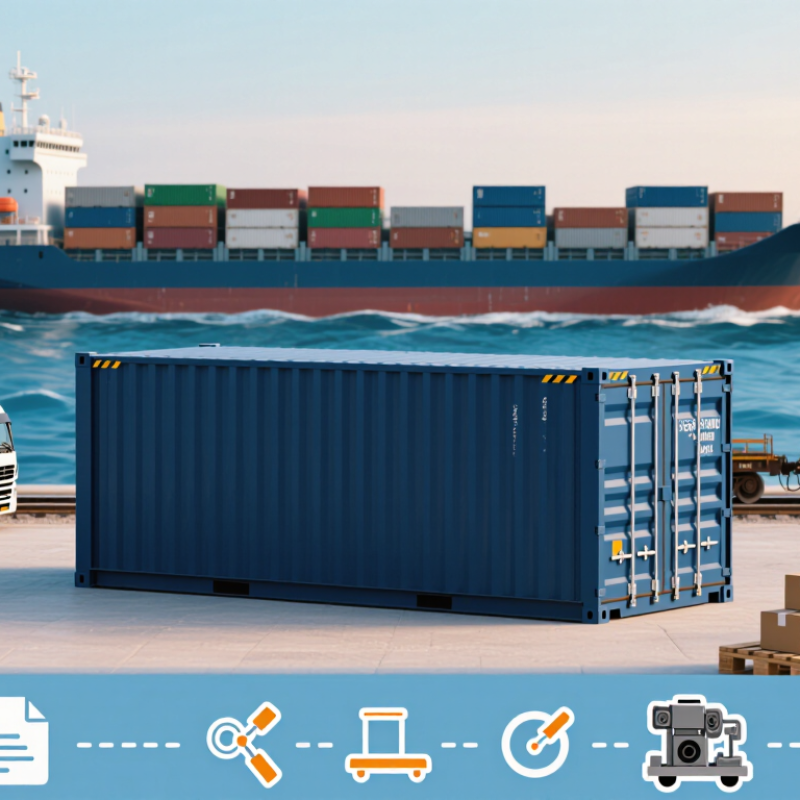
A 20ft storage container is a standardized steel cargo unit measuring about 6.06 meters long. Its external width is approximately 2.44 meters, under ISO 668 specifications. The unit equals one TEU, or Twenty-foot Equivalent Unit, in shipping reports.
Inside, a typical container provides roughly 33 cubic meters of space. Usable volume varies with wall thickness, door design, and floor height. Maximum payload can approach 28,000 kilograms, but the safety plate and transport route always control the real limit. More weight is not automatically better.
UNCTAD’s Review of Maritime Transport reports that ships carry over 80% of global merchandise trade by volume. This explains the 20ft container’s continuing importance. It fits common port equipment, rail systems, and road chassis with fewer handling changes. In practical loading work, its compact footprint also makes cargo inspection easier.
The container is not simply a large metal box. It needs dry floors, sealed doors, sound corner posts, and a valid inspection status. A loading plan may look correct on paper and still fail when pallets leave small gaps. That mistake is common. Fragile goods need bracing, while heavy cargo must stay low and balanced. The best choice depends on cargo density, access limits, and destination handling conditions.
Why Choose a 20ft Storage Container for Global Shipping? - What Is a 20ft Storage Container?
| Data Dimension |
Typical Specification |
Shipping and Storage Relevance |
| Container Type |
20-foot general-purpose dry container |
Suitable for packaged goods, equipment, furniture, machinery, and general cargo that does not require temperature control. |
| Standard Trade Name |
20-foot dry container or 20-foot standard container |
The standard size is widely used in international container transport and is commonly counted as 1 TEU. |
| External Dimensions |
Length: 6.06 m
Width: 2.44 m
Height: 2.59 m |
The compact footprint can simplify placement at warehouses, construction sites, farms, and residential properties, subject to local access and permit requirements. |
| Approximate Internal Dimensions |
Length: 5.90 m
Width: 2.35 m
Height: 2.39 m |
Provides a practical loading area while allowing room for protective packaging and cargo-securing equipment. |
| Internal Floor Area |
Approximately 13.9 m² |
Useful for calculating storage density, warehouse requirements, and the number of floor-loaded cartons or pallets. |
| Internal Cubic Capacity |
Approximately 33 m³ |
Offers substantial enclosed storage while remaining easier to fill efficiently than a longer container for smaller shipments. |
| Door Opening |
Width: approximately 2.34 m
Height: approximately 2.28 m |
The wide end doors support forklift loading and unloading of many palletized or bulky items. |
| Maximum Gross Weight |
Usually up to 30,480 kg |
Includes the container tare weight and cargo. The permitted gross weight must follow the container plate, carrier rules, road limits, and applicable regulations. |
| Tare Weight |
Approximately 2,200–2,400 kg |
The exact empty weight varies by manufacturer, materials, fittings, repairs, and container age. |
| Typical Payload Capacity |
Approximately 28,000 kg |
Actual allowable cargo weight depends on the container’s certified gross weight, tare weight, cargo distribution, transport mode, and local road restrictions. |
| Pallet Capacity |
About 10 standard 48 × 40 in pallets or up to 11 Euro pallets, depending on loading pattern |
Pallet dimensions, pallet overhang, packaging, weight distribution, and loading method can change the usable quantity. |
| Construction |
Weather-resistant steel body with a corrugated exterior and marine-grade plywood floor |
Designed to protect cargo from ordinary weather exposure during handling, storage, and ocean transport when doors are properly closed and sealed. |
| Security Features |
Locking steel doors with external seal points |
Allows the use of numbered cargo seals and additional locks to help reduce unauthorized access during transit and storage. |
| Best Use Cases |
General cargo, household storage, industrial equipment, retail inventory, and project materials |
A versatile option for businesses and individuals needing secure, movable, and internationally transportable enclosed space. |
| Main Advantages for Global Shipping |
Standardized size, multimodal compatibility, durable construction, and manageable capacity |
Can move between ship, rail, and truck transport without unloading the cargo, which can reduce handling, damage risk, and transfer time. |
Note: Dimensions, weights, capacity, and pallet counts are typical figures for standard 20-foot dry containers. Exact specifications may vary by container design, certification, age, and transport regulations.
How Does a 20ft Container Work in Global Shipping?
A
20ft storage container becomes a practical shipping unit when cargo moves between ports, trucks, and warehouses. Its steel walls protect boxed goods from rain, dust, and repeated handling. The container is loaded at the supplier’s site or a nearby depot. Workers distribute weight across the floor, leaving space near the doors for safer unloading. A locking bar then secures the cargo inside.
During global shipping, the container receives a unique identification number and a seal. Transport documents record its contents, weight, origin, and destination. A truck carries it to the port, where cranes transfer it onto a vessel. At the destination port, customs procedures and document checks take place. The container then continues by truck or rail. Timing can change because of weather, congestion, inspections, or incomplete paperwork.
Tips:
Keep heavy items low and centered. Use blocking materials to limit movement. Photograph the loaded interior before closing the doors. Check the verified gross mass carefully. Small errors can create expensive delays. Avoid overloading the floor area.
In practice, loading plans are rarely perfect. I have seen unused corners waste valuable space, while poor weight balance complicates handling. A clear packing list helps warehouse teams work faster and reduces disputes. Cargo should also match the destination’s import requirements. Before dispatch, confirm dimensions, seal details, delivery appointments, and insurance terms with qualified logistics professionals. That final check feels routine, but it often prevents the most avoidable problems.
Which Goods and Cargo Types Fit a 20ft Container?
Why Choose a 20ft Storage Container for Global Shipping?
Which Goods and Cargo Types Fit a 20ft Container?
A 20ft container suits dense, heavy cargo better than bulky goods. Its internal space is about 5.9 metres long, 2.35 metres wide, and 2.39 metres high. Payload capacity can reach roughly 28 tonnes, depending on the container and route. These figures follow common industry specifications, but actual limits must be checked before loading.
Typical cargo includes machinery parts, canned food, metal products, tiles, tools, furniture, textiles, and packaged retail goods. Standard pallets usually fit in practical rows, though pallet dimensions affect the final layout. The container also works well for export inventory storage, especially when stock needs protection from rain, dust, and handling damage. UNCTAD’s Review of Maritime Transport 2023 reports that over 80% of global merchandise trade by volume moves by sea. That scale explains why predictable container planning matters. Still, a 20ft unit is not always the cheaper choice. Light cargo may leave unused space.
Tips: Measure every carton, not only the product. Leave room for doors and ventilation. Place heavy items low and near the centre. Use moisture absorbers for long ocean routes. A simple loading diagram prevents expensive surprises, although real cargo rarely follows the diagram perfectly. Check gross weight, axle limits, and destination requirements with a qualified freight professional.
What Cost and Handling Benefits Does It Offer?
Why Choose a 20ft Storage Container for Global Shipping?
What Cost and Handling Benefits Does It Offer?
A 20ft storage container can control shipping costs when cargo volume stays moderate. Its compact footprint often suits smaller export batches and avoids paying for unused space. Less space, less waste. Freight charges still depend on route, season, weight, and local handling fees. A careful quote should include terminal charges, inland transport, documentation, and possible storage time.
Handling is another practical advantage. A 20ft unit is easier to position in crowded yards, warehouse entrances, and urban delivery areas. Standard dimensions simplify equipment planning, including chassis, cranes, and forklifts. Cargo can be loaded closer to the container floor, reducing unnecessary movement during transfer. This may lower labor exposure and help protect cartons, machinery, or palletized goods. Reliable loading depends on balanced weight distribution and secure internal bracing.
The smaller capacity can also improve inventory control. Businesses may ship more frequently instead of holding large quantities for one departure. That approach can reduce warehouse pressure and make cash flow easier to monitor. However, it is not always the cheapest choice. Bulky cargo may need a 40ft container, while dense goods may reach weight limits quickly. I have seen estimates fail when teams compare only ocean freight. Door access, customs inspection time, and empty-container return rules can change the final cost. A realistic plan tests both container sizes before booking.
Why Choose a 20ft Storage Container for Global Shipping?
A 20ft container offers a compact handling footprint and a strong payload-to-tare ratio, making it practical for dense cargo and shipments that do not require the full capacity of a 40ft unit.
Typical ISO dry-container specifications are shown for comparison. A 20ft container provides about half the internal volume of a 40ft container while commonly sharing the same maximum gross mass rating, which can make it more efficient for heavy, compact cargo. Actual freight rates, payload limits, and handling charges vary by route, equipment, and carrier.
How Should You Choose and Prepare a 20ft Container?
A 20ft storage container suits many shipments because it is compact, widely accepted, and easier to handle than larger units. The right choice starts with the cargo, not the container price. Measure the longest package, total volume, and expected weight. Leave room for airflow and safe movement. A tightly packed unit may look efficient, but it can create pressure damage and difficult unloading.
Inspect the container before loading. Check the floor, door seals, roof, corner posts, and locking bars for rust, cracks, or water stains. The identification plate should show valid safety inspection information. A dry, odor-free interior matters, especially for furniture, machinery, or boxed goods. Use pallets, blocking, and straps to prevent shifting. Place heavier items low and near the center. Keep weight balanced across both sides.
Prepare accurate documents before the truck arrives. Record package counts, dimensions, weights, and visible condition with photographs. Confirm destination requirements with the carrier and relevant authorities, including restrictions on treated wood packaging. I often recheck the final weight because small items add up quickly. One overlooked gap can let cargo move during rough handling. It is easy to assume the first loading plan is best. It may not be. Rehearse the unloading order, then revise the layout if the last package blocks the door.